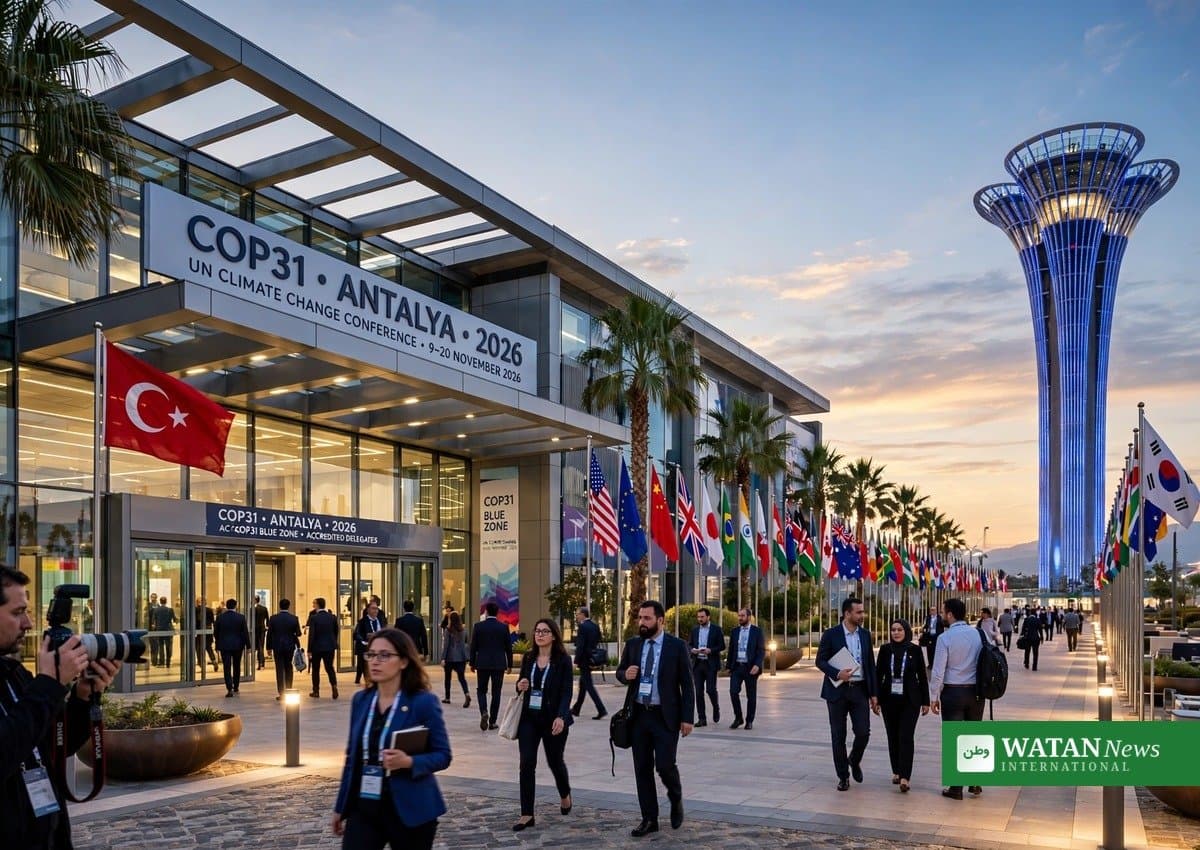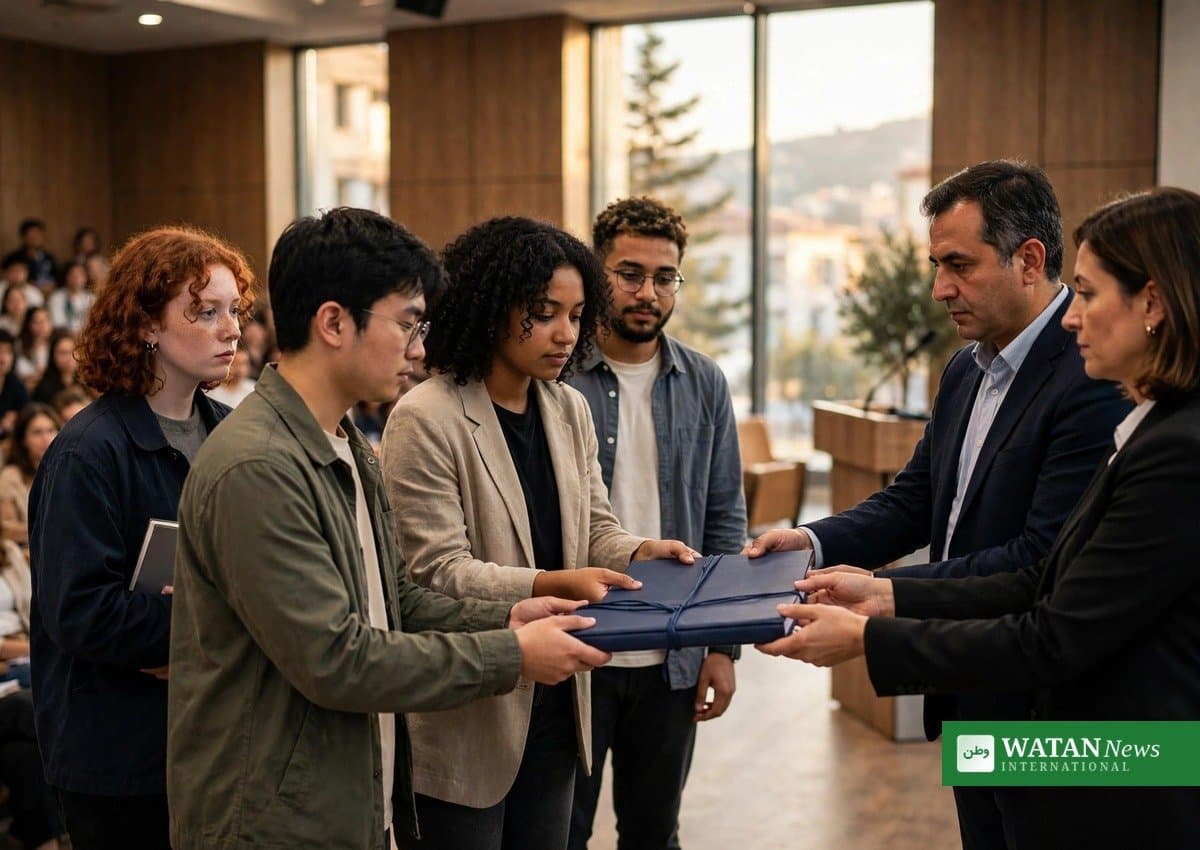
As COP31 opens in Antalya on Monday, young climate advocates have put a stack of formal demands on the negotiating table. The world’s largest youth climate gathering closed in the same city on Saturday, and its policy statement — the Global Youth Statement 2026 — was formally presented to the COP31 Presidency, according to the conference programme. Alongside it, young people have published a 13-point set of demands on loss and damage and a declaration calling for climate education and a just transition.
The message running through all three documents is the same: young people want money to reach the communities hit hardest by climate change, and they want a real say in the decisions, not a symbolic seat.
COY21 closes with the Global Youth Statement
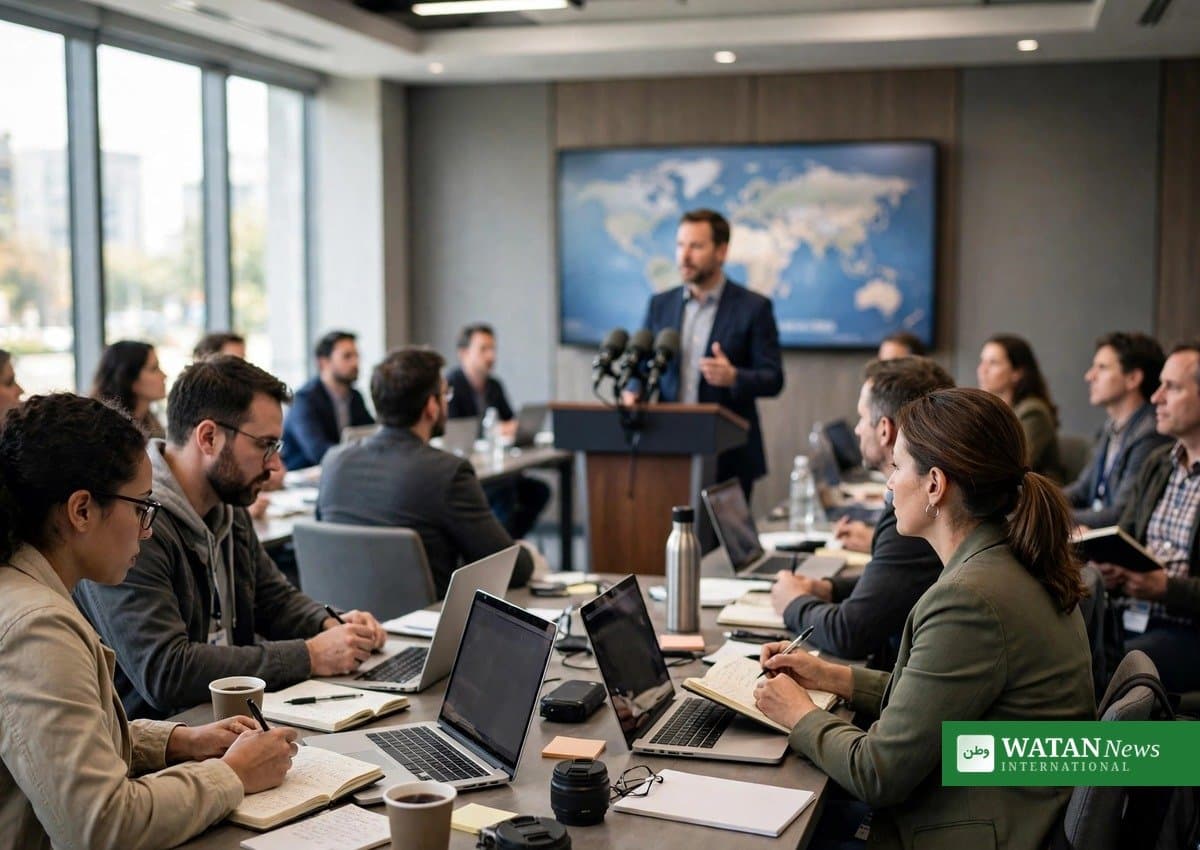
The 21st Conference of Children and Youth on Climate Change, COY21, ran from 5 to 7 November at Akdeniz University in Antalya, under the theme “Climate on every coast”. It is organised by YOUNGO, the official children and youth constituency of the UN Framework Convention on Climate Change, which was established in 2009.
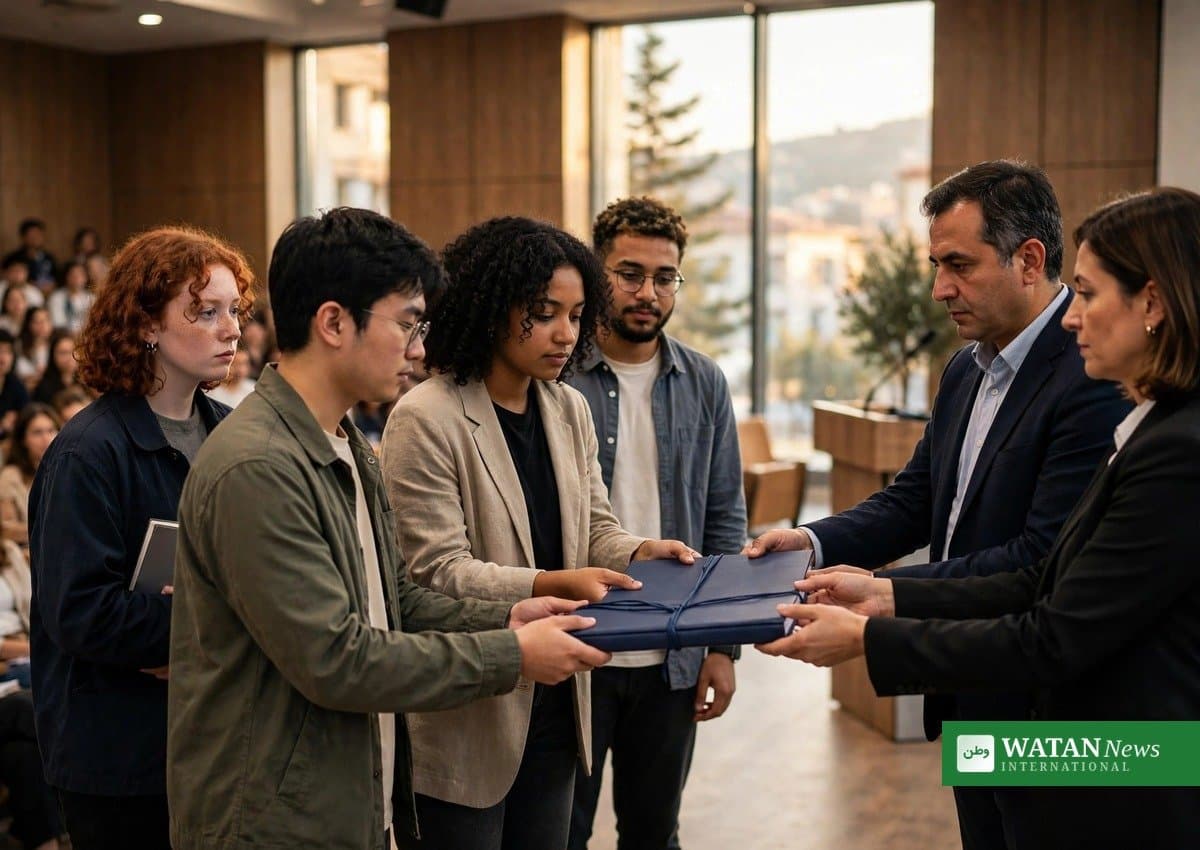
The conference closed on Saturday with a closing plenary whose programme listed the formal presentation of the Global Youth Statement to the COP31 Presidency. The plenary brought together Sunny Nguyen, the COY21 co-host coalition lead from Australia, Sally Higgins, the COP31 Presidency Youth Climate Champion, and Marcele Oliveira, the COP30 Presidency Youth Climate Champion. The British Council, a silver sponsor of the conference, gave closing remarks before the statement was presented.
The Global Youth Statement 2026 was launched at the opening of COY21 on 5 November. It comes in several versions: a full version, a child-friendly version, a national and regional version, and 10 key priorities. It was built from the outcomes of local and regional youth conferences around the world and more than 50 policy hackathons. The 2025 edition drew on more than 30,000 young voices from over 150 countries and more than 80,000 hours of work.
Young people from West Africa and South Sudan were among those who fed their own national statements into the global document through local youth conferences held in recent weeks.
Thirteen demands on loss and damage
The sharpest set of demands comes from the Loss and Damage Youth Coalition, which has published a COP31 Statement of Demands with 13 demands organised around three priorities: the finance architecture for loss and damage and how it is delivered; governance, transparency and accountability; and human rights, intersectional justice and science for equitable climate action.
The coalition calls on governments to recognise non-economic losses — the loss of culture, identity, territory, ecosystems and social cohesion — and to support communities displaced by climate change. It wants loss and damage built into just transition processes, stronger means of implementation for adaptation, and gender-responsive and inclusive approaches across climate policy and finance.
Its principles are equity and climate justice, common but differentiated responsibilities, accessibility, country ownership, gender responsiveness, transparency and direct financing to communities. Above all, it says young people must move beyond symbolic participation to meaningful leadership in decision-making and implementation. Its message to COP31 is clear: climate justice cannot remain a promise.

From Kenya to the Pacific: where the demands come from
The global statement is the sum of many national and regional ones. The Pacific Youth Climate Statement, published by the UN Development Programme on 28 September, came out of the Regional Conference of Youth for Oceania. In Kenya, young people adopted a national statement calling on negotiators to “stop inviting us to the table as guests and start treating us as decision-makers”.
Africa’s regional youth conference met in Accra on 19 and 20 October, and South Africa presented its own youth statement at a national ministerial consultation on 16 October, calling for accessible climate finance, stronger accountability and meaningful youth involvement in deciding how resources are allocated and monitored.
In Asia and the Pacific, more than 500 young leaders from 28 countries gathered in Bangladesh for the Regional Conference of Youth Asia-Pacific 2026, held in the country for the first time, and sent a regional statement on to COY21. In the Maldives, more than 40 young people concluded a Youth Track to COP31 on 3 September and presented their recommendations to the climate minister; two of them, Yania Hussain Ishan and Lasan Sabah, were selected to carry the Maldives youth voice to COP31 itself.
What young people will find at COP31
COP31 itself, which runs from 9 to 20 November in Antalya with more than 190 countries taking part, has given youth a formal place in its programme. Sally Higgins, a farmer from Allora in Queensland, Australia, serves as the COP31 Presidency Youth Climate Champion, working to bring young voices into the negotiations.
Saturday 14 November is the summit’s Children and Youth thematic day, and the COP31 Presidency has invited governments and stakeholders to a high-level dialogue on children, youth and climate resilience. A new Global Youth Climate Action Network will launch at COP31 on 11 November, founded by the UNESCO Chair on Education for Sustainable Development, Green Skills and Climate Actions together with the Bangladesh Climate Change Trust, Indonesia’s planning ministry Bappenas, Global Youth Philanthropy, Ethiopia’s Ministry of Industry and the World Health Organization’s Regional Office for Africa. Young leaders aged 18 to 35 will hold a seat on its governing board.
Young negotiators have also been preparing inside the process: the Youth Negotiators Academy delivered in-person training at COY21 from 5 to 7 November for a cohort of young climate negotiators who will join their country delegations at COP31. Peace Boat US is running youth events through the first week, including a workshop on youth leadership for implementing national climate plans on Monday evening.
There are about 1.8 billion people aged 10 to 24 in the world today. The documents they have handed to COP31 ask the negotiators to remember that the decisions taken in Antalya will shape their lives longest — and to let them help take those decisions. Read our report on the opening of COY21 and the launch of the Global Youth Statement 2026.
Key facts
- COY21, the 21st Conference of Children and Youth on Climate Change, ran from 5 to 7 November 2026 at Akdeniz University in Antalya, organised by YOUNGO.
- The Global Youth Statement 2026 was launched on 5 November and formally presented to the COP31 Presidency at the closing plenary on 7 November, according to the conference programme.
- The Loss and Damage Youth Coalition has published 13 demands for COP31 around finance, governance and accountability, and human rights and justice.
- Plan International’s Global Youth Ambassadors have published a COP31 Youth Declaration focused on adaptation, climate education and a just transition.
- COP31 runs from 9 to 20 November 2026 in Antalya; 14 November is its Children and Youth thematic day, and a new Global Youth Climate Action Network launches on 11 November.
- About 1.8 billion people in the world are aged 10 to 24.