China has condemned the United States after Washington added three Chinese genomics firms to a forced labour list, warning that Beijing will take steps to protect its interests. The dispute adds a new strain to relations between the world’s two largest economies.
The US Department of Homeland Security added BGI Genomics, MGI Tech and Shenzhen BGI Technology to the Uyghur Forced Labor Prevention Act (UFLPA) Entity List on Wednesday. Washington says the companies use or facilitate forced labour involving Uyghurs and other minority groups, or source material from China’s Xinjiang region. Beijing and the companies reject those allegations.
FAKTA
- Companies added: BGI Genomics, MGI Tech and Shenzhen BGI Technology, also known as BGI Group.
- The list: the US Uyghur Forced Labor Prevention Act Entity List, which now covers 190 entities.
- Immediate effect: US Customs and Border Protection must block goods from listed firms unless importers can prove they were not made with forced labour.
- China’s response: its commerce ministry condemned the move as political manipulation and unfair pressure, and vowed to defend Chinese interests.
- Companies’ response: MGI Tech says it has zero tolerance for forced labour; BGI Genomics and BGI Group have also denied any involvement.
- Wider context: in early 2025, China placed US medical equipment maker Illumina on its own unreliable entities list.
What the US China Genomics Forced Labour List Decision Means
Under the US law, goods linked to listed entities are presumed to have been made with forced labour and are barred from entering the United States unless an importer can rebut that presumption with evidence. The burden of proof therefore falls on importers.
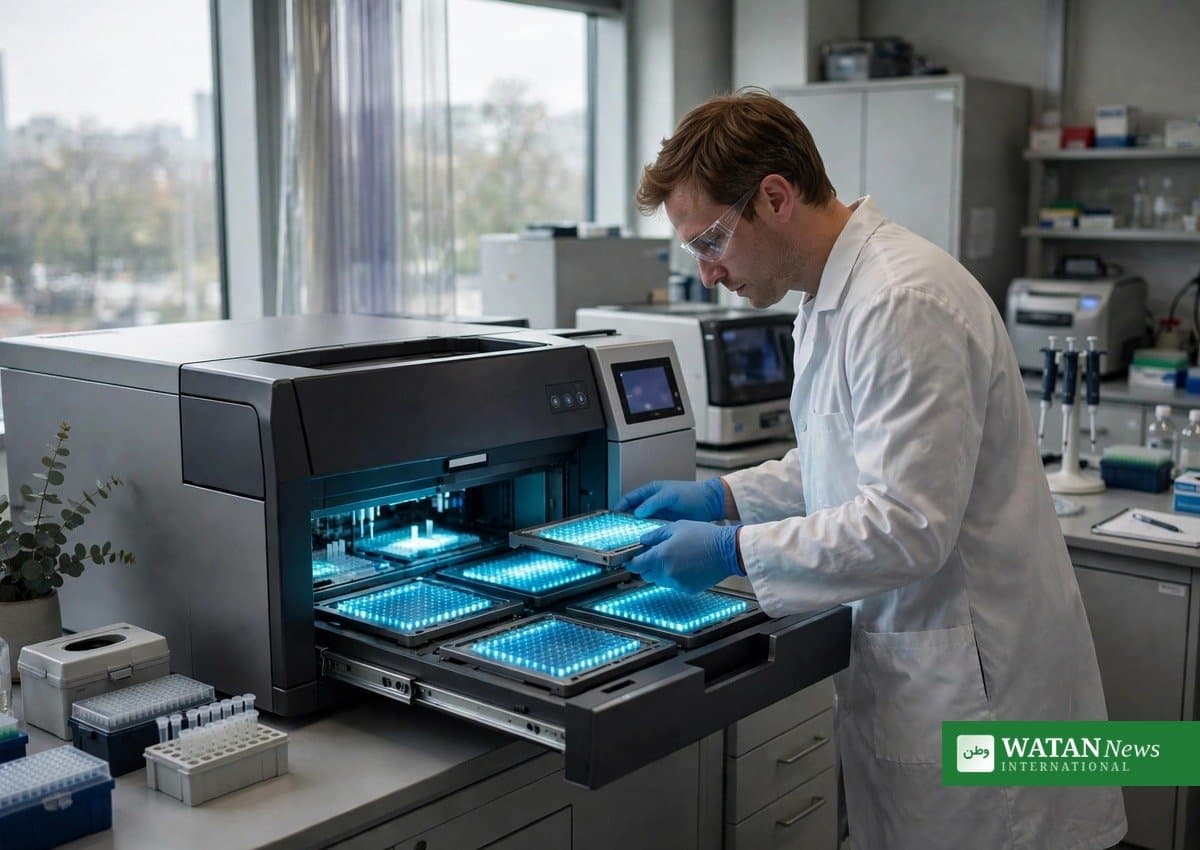
BGI Genomics provides genetic testing and genomic analysis, used in areas including cancer diagnosis and precision medicine. MGI Tech makes DNA sequencing equipment. US officials said the BGI companies conduct genetic testing in Xinjiang, while MGI Tech supplies equipment and support for that testing. The companies dispute that account.
Beijing’s Response and What Happens Next
China’s commerce ministry said the US action violated the understanding reached by the two countries’ leaders and seriously undermined the stability of bilateral economic and trade relations. It urged Washington to stop what it described as political manipulation and unreasonable suppression of Chinese enterprises, but did not spell out what retaliatory measures, if any, Beijing might take.
Beijing has repeatedly denied allegations of forced labour in Xinjiang, saying workers of all ethnic groups there enjoy equal employment opportunities and that their labour rights are protected by law. A group of United Nations experts said in January that there was a persistent pattern of alleged forced labour affecting Uyghur, Kazakh and Kyrgyz minorities, as well as Tibetans. Beijing rejected that assessment as groundless.
For the companies, the immediate question is how US customers and partners respond to the new supply-chain risk. Neither side has signalled a climbdown so far. More international coverage is available on Watan News.