Turkey’s opposition says voters will reject what it describes as political pressure when the country holds its next national elections in 2028, despite court cases, arrests and defections that have weakened it since its strong local election result two years ago. The government rejects the claim that legal proceedings against its opponents are politically driven and says the judiciary acts independently.
FAKTA
- Turkey’s next presidential and parliamentary elections are scheduled for May 2028, although a presidential adviser has said they could be held slightly earlier.
- In March 2024, the main opposition Republican People’s Party won 37.8 percent of the vote and kept Istanbul, Ankara and Izmir.
- Istanbul Mayor Ekrem Imamoglu, widely seen as the opposition’s leading presidential challenger, is in prison awaiting trial on corruption charges, which he denies.
- Izmir Mayor Cemil Tugay, elected on an opposition ticket in 2024, defected to President Recep Tayyip Erdogan’s AK Party this month.
- President Erdogan has been in power for 23 years, first as prime minister and then as president.
From Election Gains to a Divided Opposition
The opposition’s confidence grew sharply after the 2024 local elections, when it won eight of Turkey’s ten largest cities. Since then, the picture has changed considerably. Dozens of mayors and hundreds of municipal officials have faced detention, investigation or removal from office, and the main opposition party has been split by a court decision.
The court annulled the party congress that had elected Ozgur Ozel as leader and reinstated former leader Kemal Kilicdaroglu. Ozel, a close ally of Imamoglu, left the party and launched a new party, hoping to keep opposition voters organised ahead of the national vote. Opposition figures argue the legal steps are intended to weaken them before 2028. The government disputes that interpretation and maintains that the courts operate without political direction.
Izmir Defection Sharpens the Debate
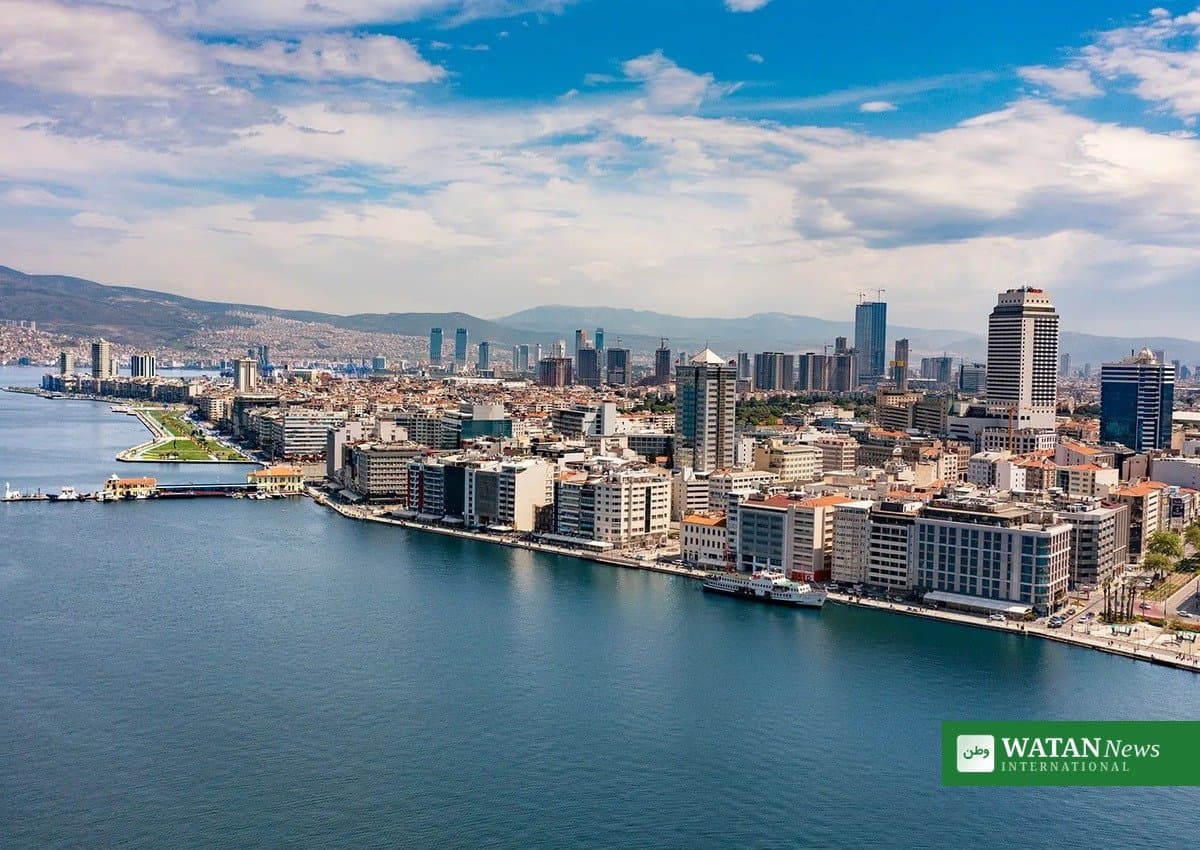
The debate has intensified in Izmir, Turkey’s third-largest city, with about 4.5 million residents. The AK Party has never won Izmir at the ballot box, but Tugay’s move to the governing party this month was described by opposition figures as a symbolic setback in a long-standing opposition stronghold. Tugay has said he acted for the city’s benefit.
President Erdogan has dismissed as slander the suggestion that Tugay changed parties under pressure. Opposition leaders in Izmir say voters will express their view of the defection when they next go to the polls. Analysts say the opposition’s central challenge is to turn public frustration into sustained political organisation, warning that without that effort, anger could fade into disappointment or apathy before election day.
What Happens Next
Attention now turns to whether the opposition can present a united candidate for the presidency. Imamoglu’s eligibility remains uncertain because his university degree was annulled, a qualification required for presidential candidates under Turkish rules, and he remains in custody. The coming months will test whether the opposition can maintain unity and public support. More international coverage is available on Watan News.