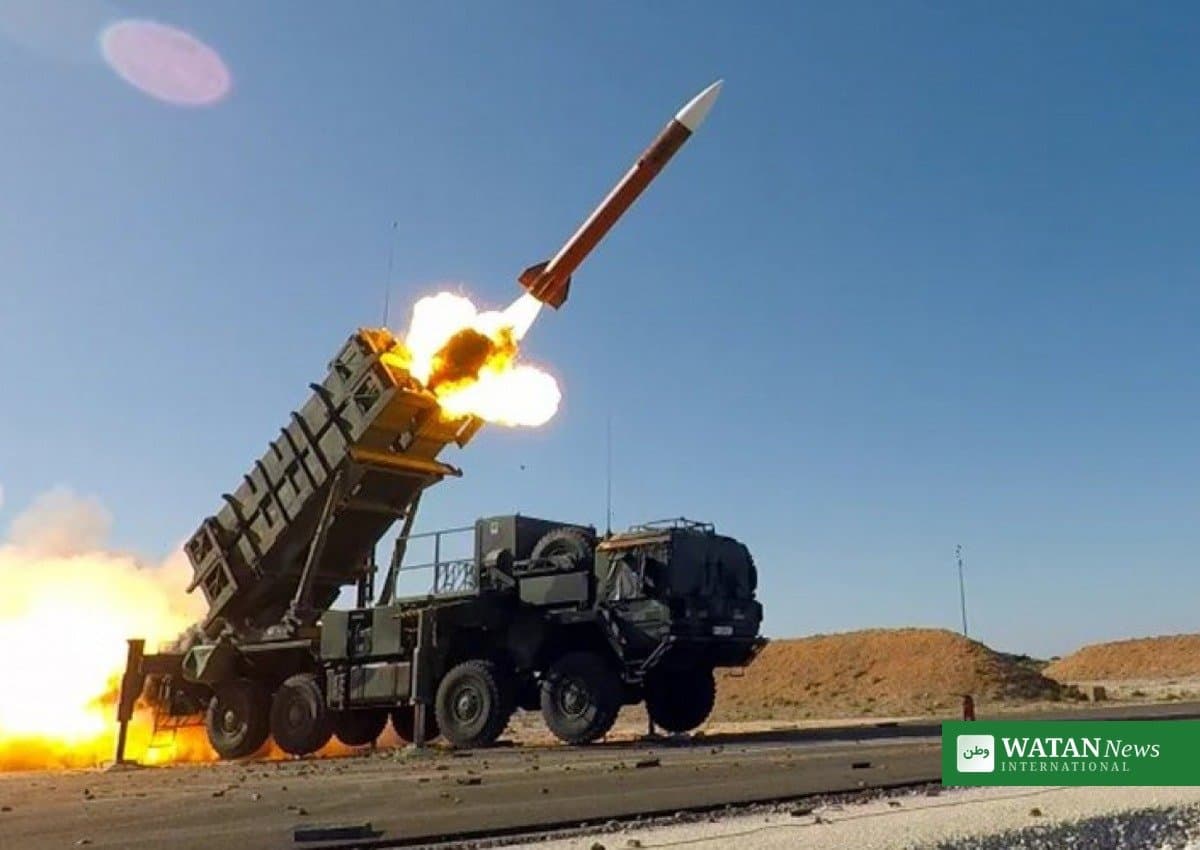
The United States military has deployed two additional Patriot air-defense batteries to the Persian Gulf in recent weeks, positioning one in Saudi Arabia to protect a major oil facility and one in Qatar to defend a natural gas installation, as Washington braces for a possible resumption of large-scale military operations against Iran.
FAKTA
- What: Two additional US Patriot missile batteries deployed — one in Saudi Arabia to shield a major oil facility, one in Qatar to defend a natural gas site.
- Why: To reassure Gulf allies that Washington will protect their critical energy infrastructure if the US resumes large-scale operations against Iran.
- Source: A report by Axios journalist Barak Ravid, citing two senior US officials and one regional source.
- Trump: Said Thursday he is weighing renewing the bombing campaign in the coming weeks: “Now I have to make a decision: either Iran signs the deal, or it won’t exist anymore.”
- Context: Saudi and Qatari leaders urged Trump in August against striking Iranian energy infrastructure, fearing Iranian retaliation on their own oil and gas facilities.
Patriot batteries meant to reassure Gulf allies
The deployments are intended to reassure Riyadh and Doha that Washington will protect their critical energy infrastructure should President Trump resume major combat operations against Iran. One battery was sent to Saudi Arabia last month, while the second was positioned in Qatar.
Speaking on Thursday, Trump said he was considering renewing the bombing campaign in the coming weeks, declaring: “Now I have to make a decision: either Iran signs the deal, or it won’t exist anymore.”
August warnings shaped the decision
In early August, when Trump was weighing a large-scale offensive that included strikes on Iranian energy infrastructure, the leaders of Saudi Arabia and Qatar pressed him not to proceed. They expressed serious concern that Iran would retaliate by attacking their own oil and natural gas facilities.
American officials said those appeals were a major reason Trump decided against striking at the time and instead shifted to a campaign of economic pressure.
The airspace question
The United States would need Saudi approval to use the kingdom’s airspace if large-scale military action resumes — but the Saudis are not expected to grant such permission if they feel their oil facilities are unprotected. Captain Tim Hawkins, a spokesman for US Central Command (CENTCOM), declined to comment on the report.
Strained air-defense stockpiles
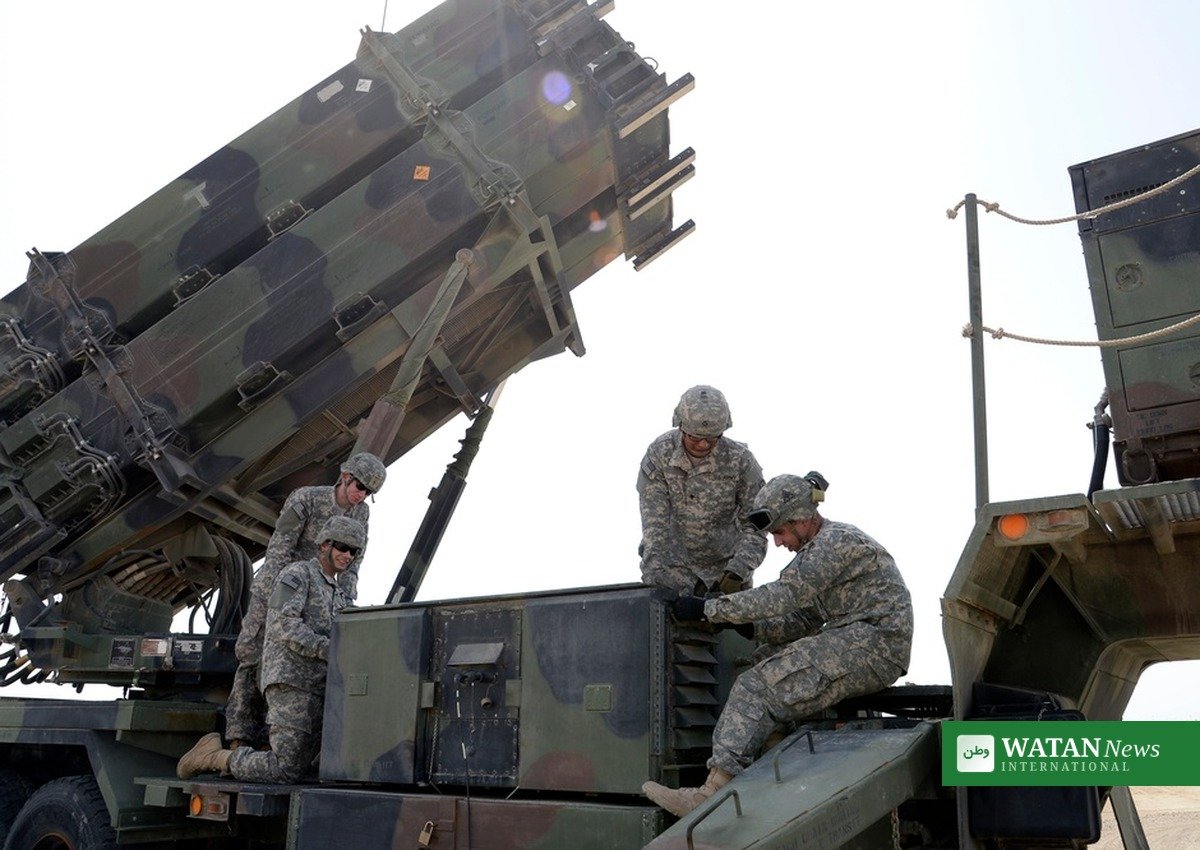
Patriot batteries — and especially their interceptor missiles — have become a highly sought-after commodity since the war with Iran began. The US military has transferred batteries and interceptor missiles to the Middle East from other regional commands, raising concerns about military readiness in other parts of the world.
An assessment by the Center for Strategic and International Studies cited in coverage estimated that US Patriot interceptor stocks had fallen below 1,000 after heavy use during the conflict with Iran.
Military buildup continues across the region
The Patriot deployments come alongside a broader American military buildup: the aircraft carrier USS Theodore Roosevelt and its strike group left San Diego on Sunday and are expected to reach the region around mid-November, while the Makin Island Amphibious Ready Group, carrying thousands of US Marines from the 13th Marine Expeditionary Unit, is also moving into the theater.
Read our earlier coverage of the US carrier buildup toward Iran here on Watan News.
The deployment details were first reported by Axios via JFeed.