Chinese President Xi Jinping and German President Frank-Walter Steinmeier held talks in Beijing on Friday, 30 October, urging closer cooperation between their countries and a stronger commitment to the international order, as Steinmeier’s five-day state visit to China entered its final days. The Xi Steinmeier Beijing talks were the centrepiece of the first visit by a German president to China in almost eight years.
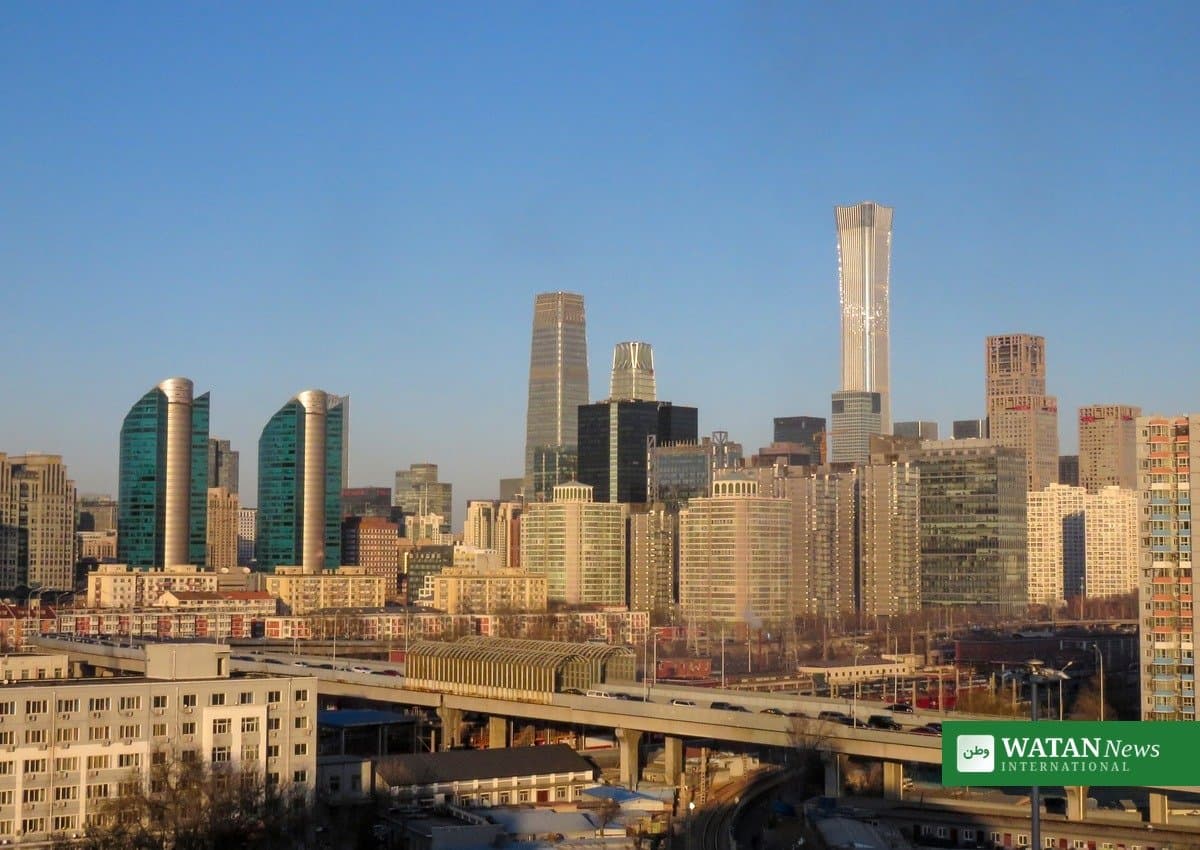
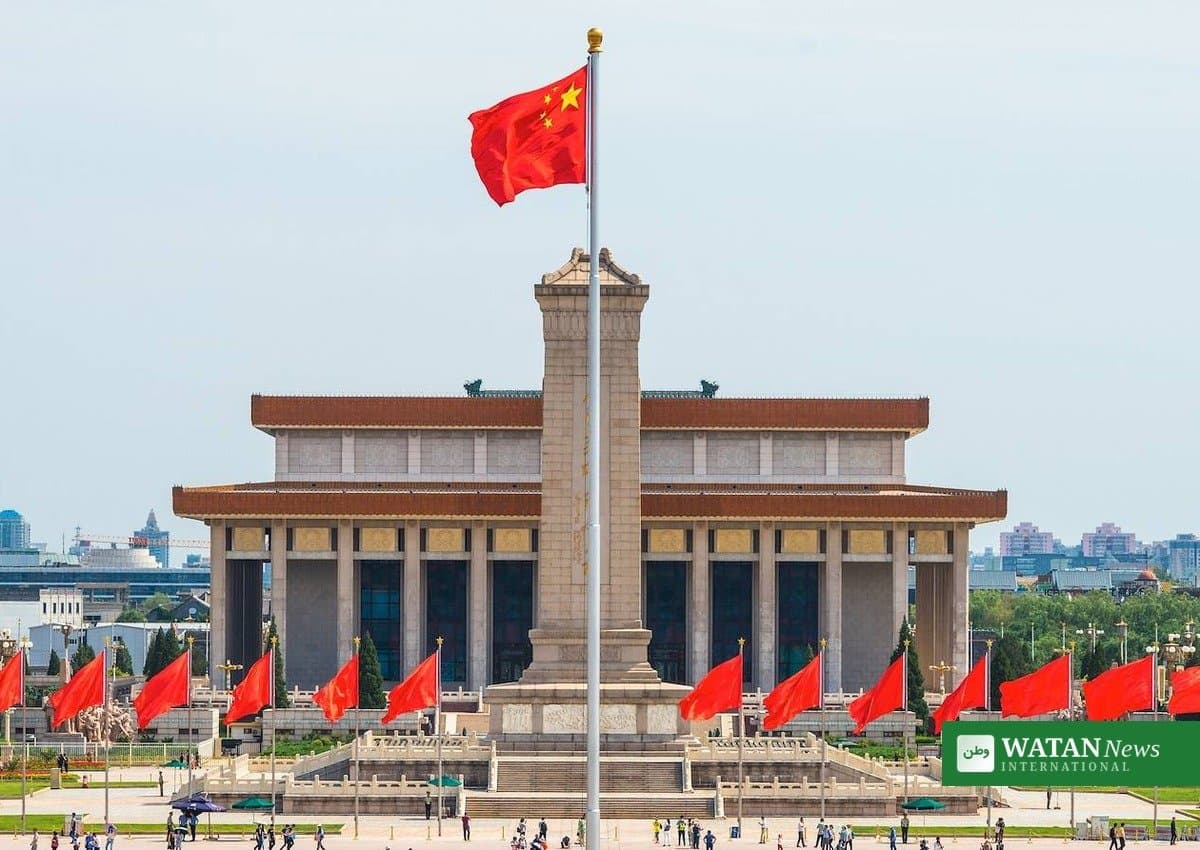
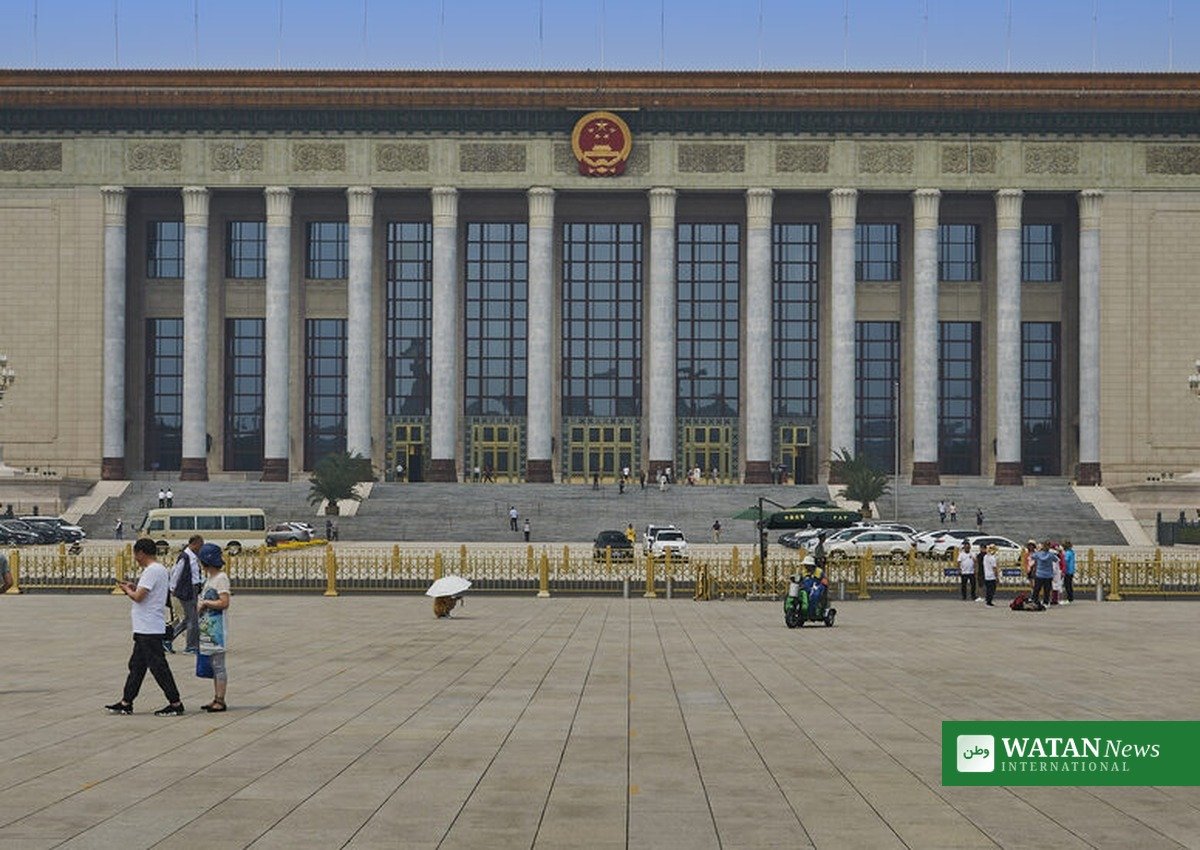
Xi welcomed Steinmeier with a formal ceremony at the Great Hall of the People in Beijing, and the two leaders set out their positions in opening remarks reported by Reuters. Steinmeier also met Chinese Premier Li Qiang during the Beijing leg of the visit, which runs until 31 October.
FAKTA
- Who: Chinese President Xi Jinping and German President Frank-Walter Steinmeier.
- When and where: Friday, 30 October 2026, at the Great Hall of the People in Beijing.
- Occasion: Steinmeier’s five-day state visit to China, from 27 to 31 October — the first by a German president in almost eight years.
- Also on the agenda: A meeting with Premier Li Qiang, and trade tensions including China’s almost €90 billion trade surplus with Germany over the past year.
- Background: Steinmeier had already called at Peking University for both countries to strengthen the rules-based international order and promote peace and free global trade.
Xi Steinmeier Beijing talks: a new chapter, in both leaders’ words
Xi described relations between Beijing and Berlin as being at the start of a new chapter, and spoke of what he called an “all-dimensional strategic partnership” between the two countries. He said it was incumbent on China and Germany to lead and forge a new model of cooperation based on equality, mutual benefit and strategic stability.
“This new paradigm sends a positive signal to the world: we favour openness over closure, and cooperation over confrontation,” Xi said, adding that the two countries should help forge a more equitable and stable system of global governance.
Xi also said China hopes Germany will adhere to a “rational, pragmatic and friendly” China policy, and that the European Union will work with China in the same direction. He said China has always viewed the EU as a partner, and that in China-EU relations cooperation outweighs competition and consensus outweighs differences.
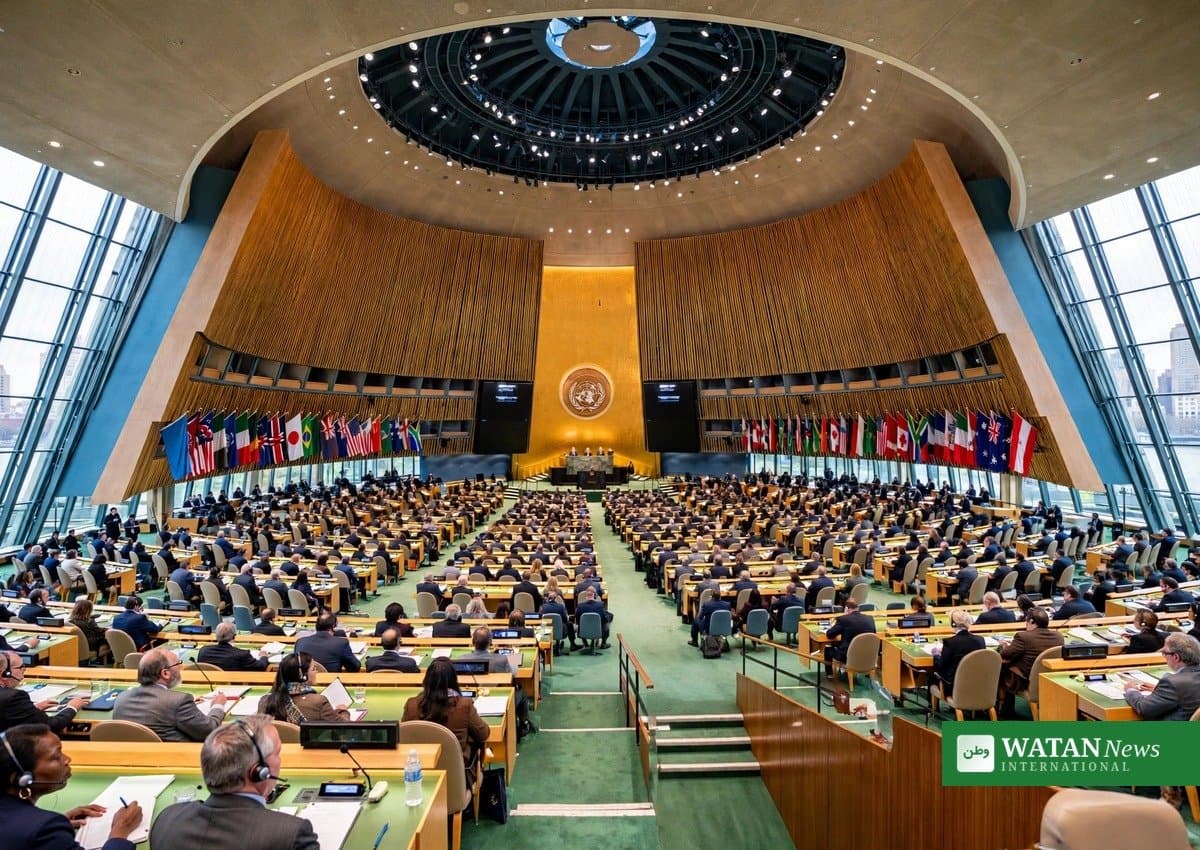
Steinmeier told Xi that the world needed China to play its part in preserving the international order, referring to the rules-based global governance system based on the UN Charter.
“We both bear responsibility for the international order and for the conditions under which states in this world maintain and shape their relations,” Steinmeier said.
Trade tensions at the centre of the visit
Trade was a central theme of the Beijing meetings. At the start of his conversation with Premier Li Qiang, Steinmeier said he was confident that Germany and China would be able to solve their disagreements on trade-related matters, pointing to a recently reached agreement on limiting exports of hybrid cars to the EU as evidence that there were “ways of finding solutions” to difficult issues.
He directly addressed the increased imbalance in bilateral trade relations, noting that China’s trade surplus compared with Germany was almost €90 billion in the past year.
The trade theme had run through the visit from the start. In a speech at Peking University earlier in the trip, Steinmeier called on both countries to work together to strengthen the rules-based international order and promote peace and free global trade, and warned against one-sided economic dependence. “We do not want a new bloc confrontation. That would not only be dangerous for international security, but would also be an economic loss for everyone,” he said.
Why the visit matters
The meeting comes at a consequential moment for China-Germany relations, with the two countries among the world’s leading industrial economies and with competition, market access and supply chains all under strain. Steinmeier and Xi have known each other for close to two decades, dating back to Steinmeier’s time as Germany’s foreign minister.
Besides Beijing, Steinmeier’s visit also includes Anhui Province. The trip closes on 31 October.
For more international developments, see Watan News World coverage.