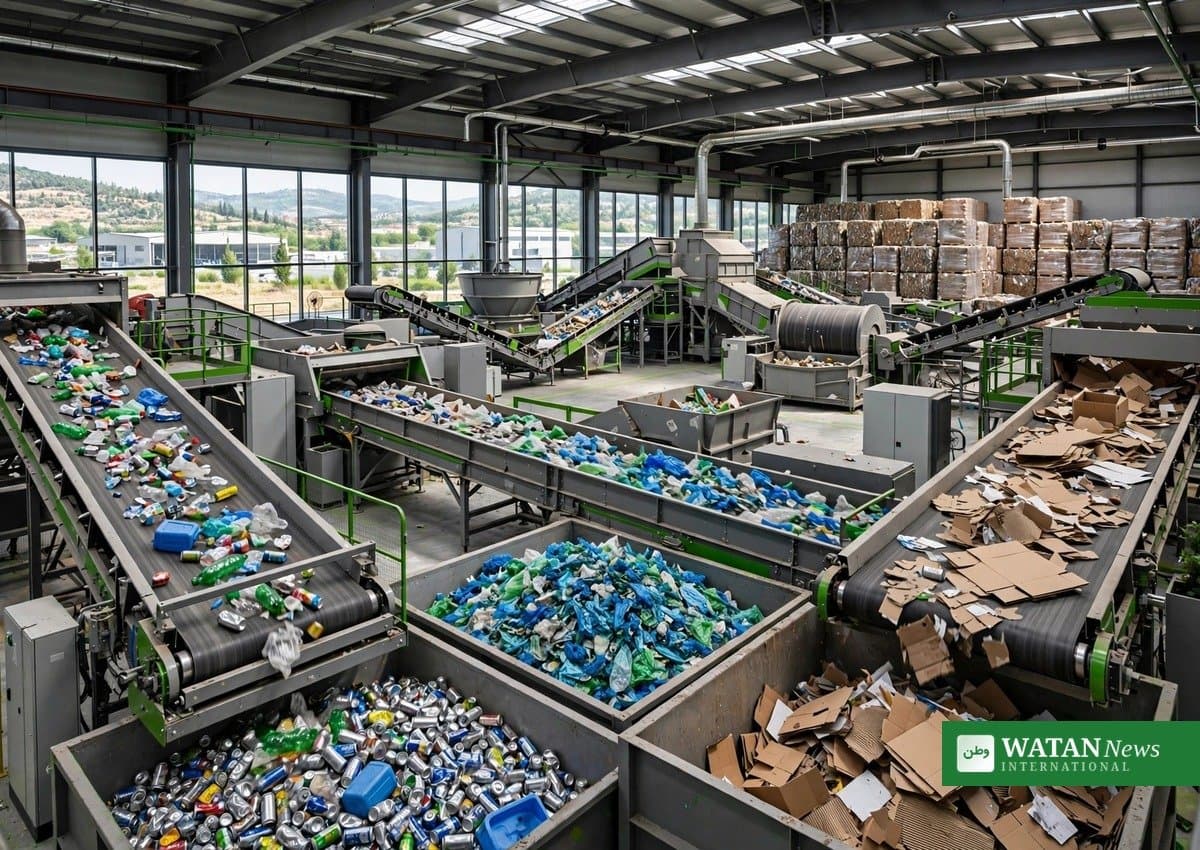
The Zero Waste Foundation and state-backed VakıfBank have signed a strategic cooperation protocol to build circular finance for Türkiye’s zero-waste transition, putting bankable financing — not another communiqué — at the centre of the country’s green transformation ahead of COP31 in Antalya.
On 15 September 2026, at the VakıfBank General Directorate Conference Hall in Istanbul, VakıfBank General Manager Osman Arslan and Zero Waste Foundation President Samed Ağırbaş signed the protocol and launched a Zero Waste and Circular Economy Finance Package. In its first phase, the package targets more than 500 institutions and projects and a financing volume of 10 billion Turkish lira, with 3 billion TL in credit guarantee (KGF) support.
FAKTA
- The protocol between the Zero Waste Foundation (Sıfır Atık Vakfı) and VakıfBank was signed on 15 September 2026 in Istanbul.
- The Zero Waste and Circular Economy Finance Package targets over 500 institutions and projects and 10 billion TL in financing in its first phase, including 3 billion TL of KGF guarantee support.
- It was signed by VakıfBank General Manager Osman Arslan and Zero Waste Foundation President Samed Ağırbaş, who also serves as COP31 High-Level Climate Champion.
- The package covers investments that raise resource efficiency, cut waste generation, extend reuse and scale recycling across production and business processes.
- Zero waste and the circular economy are among the ten priority themes of the COP31 Action Agenda, which runs in Antalya from 9 to 20 November 2026.
- The Zero Waste movement was founded under the leadership of Emine Erdoğan, Chair of the UN Secretary-General’s Advisory Board on Zero Waste and Honorary President of the Zero Waste Foundation.
Circular finance lane: from vision to bankable projects
At the signing, Ağırbaş argued that zero waste is not only an environmental policy: using energy, water, raw materials and labour more efficiently — and returning discarded materials to the economy — is a financial-systems question. He said models that are not built on sound financial foundations and circular-economy logic cannot last, and that finance should direct, facilitate and accelerate the transition rather than merely supply resources.
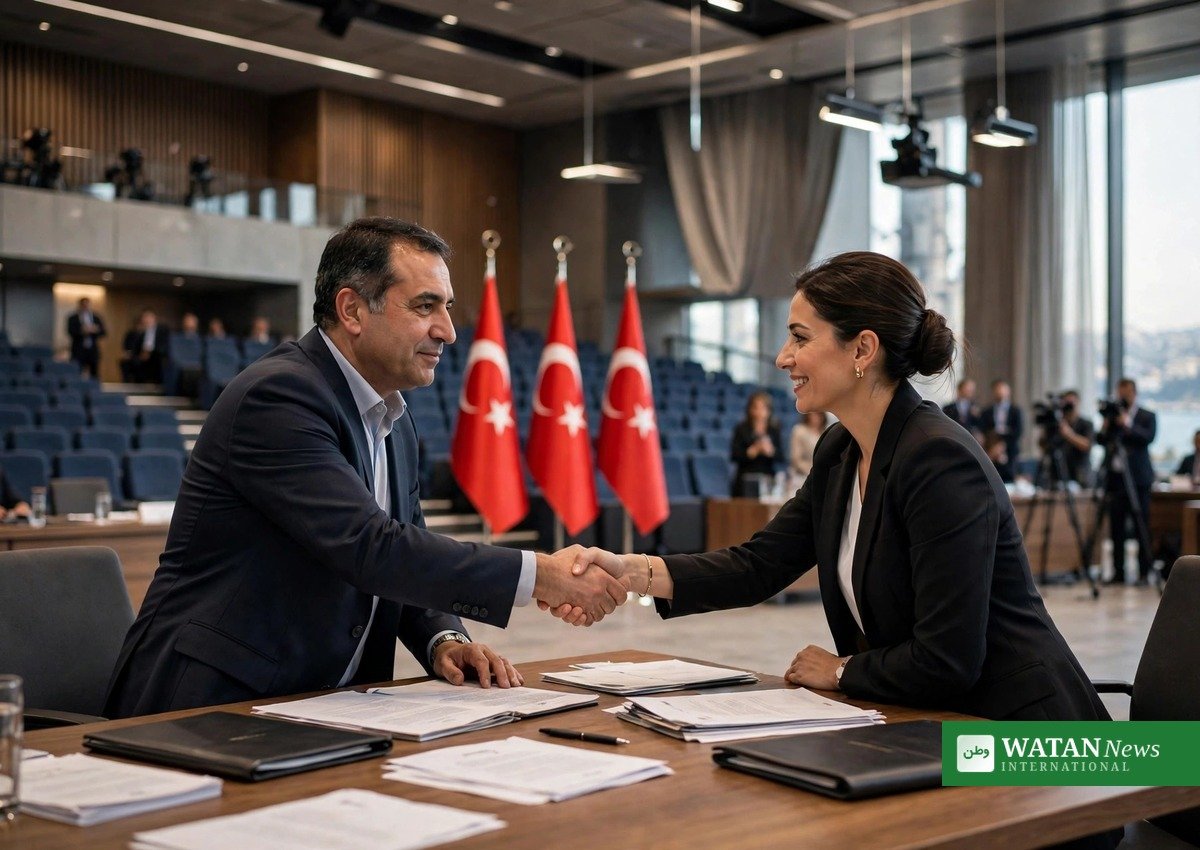
The package brings together different financing options for businesses that want to transform production and business processes along circular-economy lines — covering both investment and working-capital needs. Investments targeted include resource-efficient production, waste reduction, longer product lifecycles and the return of recyclable materials to the economy.
Part of the road to COP31 Antalya
COP31 runs in Antalya from 9 to 20 November 2026, and Türkiye’s presidency lists zero waste and the circular economy among the Action Agenda’s priority themes. The Istanbul signing adds a bankable bridge for cities, small manufacturers and recycling operators still blocked by high upfront costs, long paybacks and thin project-preparation capacity.
The cooperation was described in Turkish press coverage as the largest financing package of its kind, positioning the financial sector as a stakeholder that directs and accelerates the green transition. The full story is also available on Watan News International’s main site.