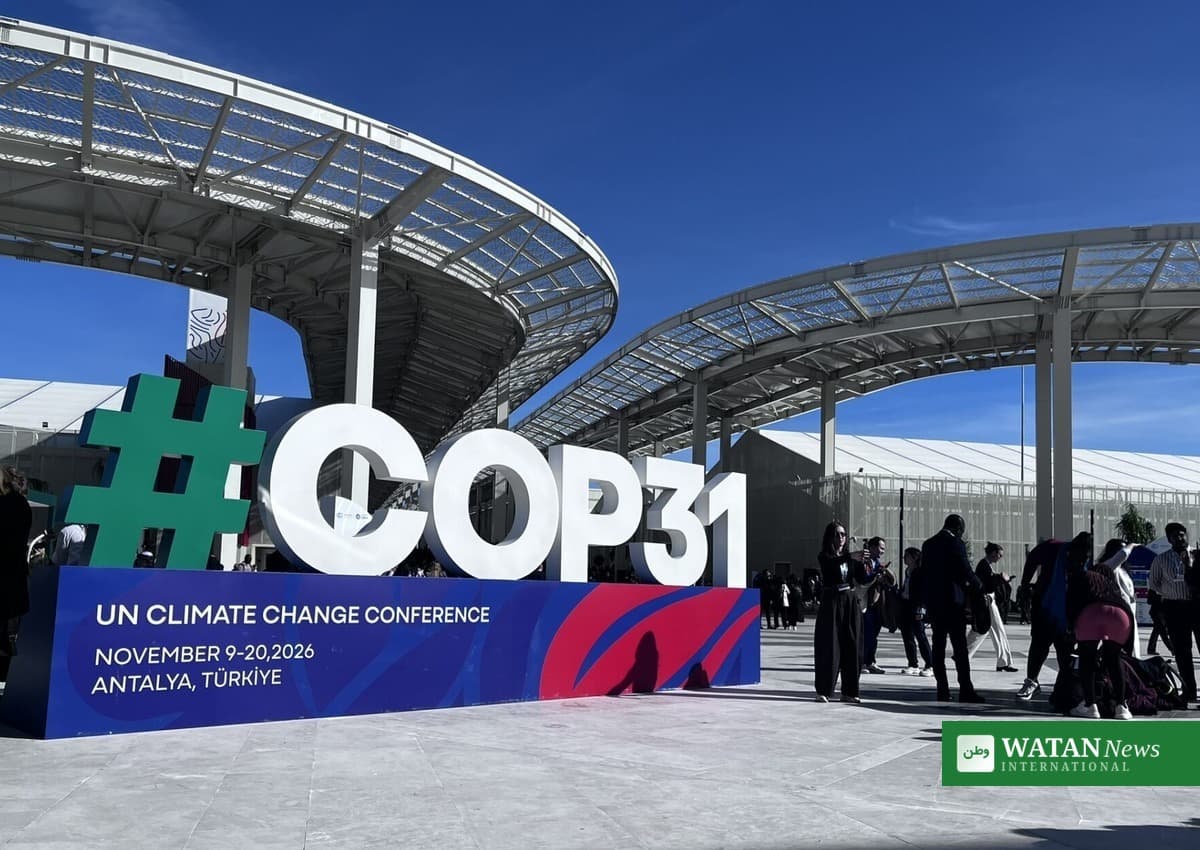
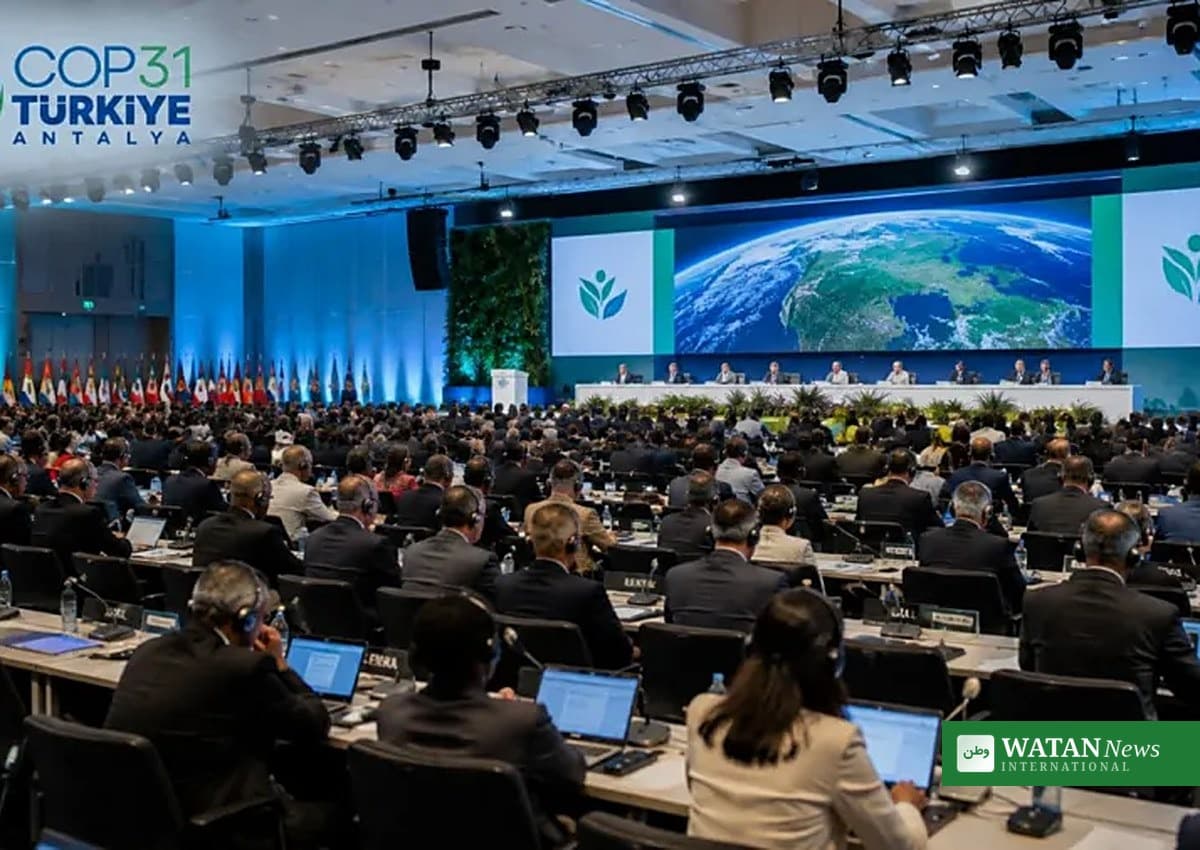
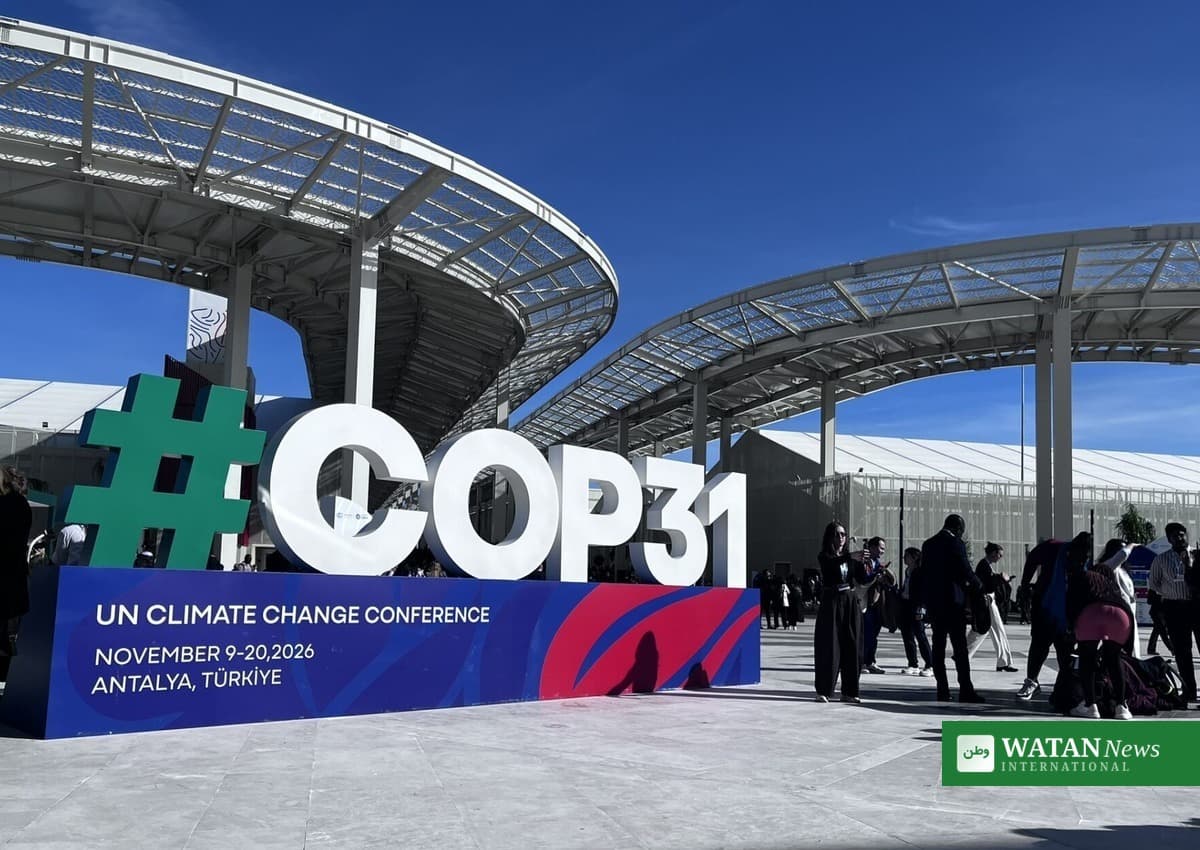
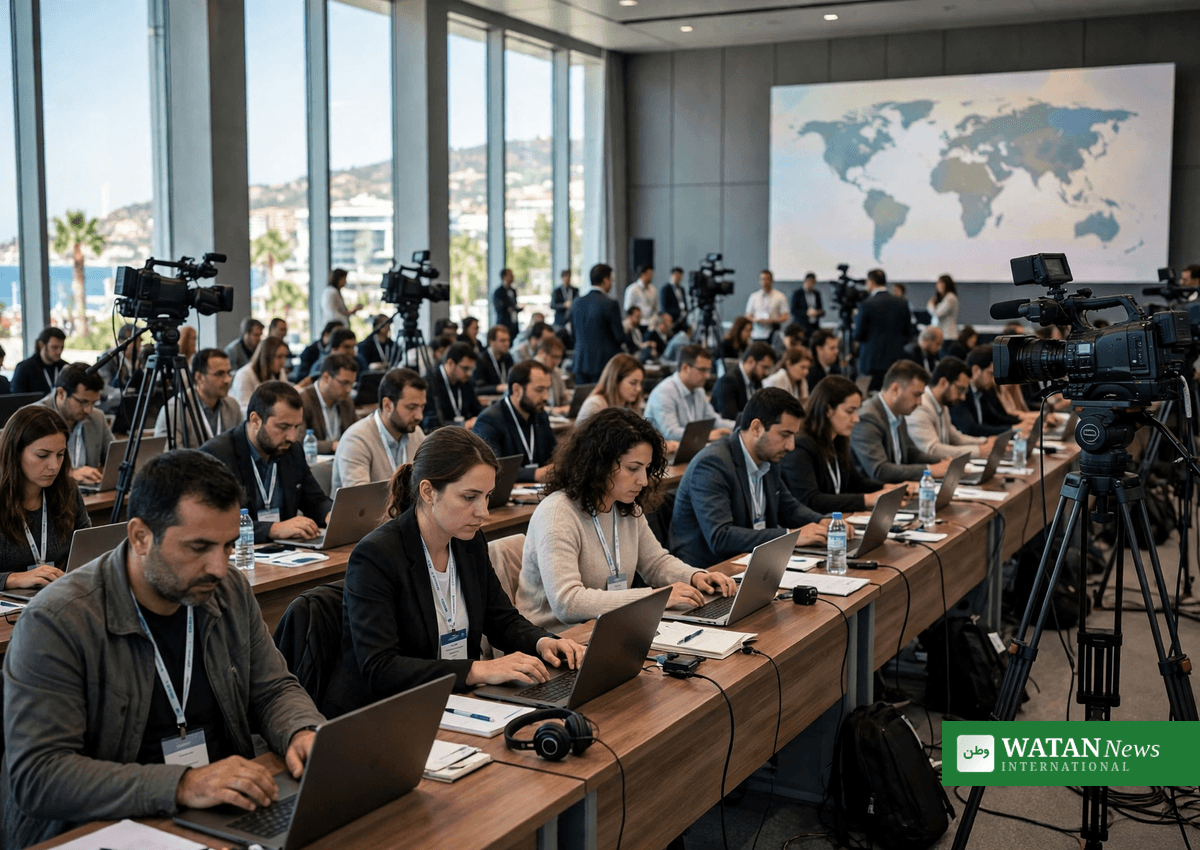
Antalya, 8 November 2026: Governments heading to COP31 in Antalya are being urged to embrace Fossil-Free Zones — places where fossil fuel exploration and extraction are permanently banned — as the most concrete way to turn the global promise to move away from fossil fuels into real, enforceable action on the ground.
The call comes in a comment piece published on 5 November 2026 by Climate Home News, written by Irene Vélez Torres, Colombia’s former minister of environment and sustainable development, and Ralph Regenvanu, Vanuatu’s minister of climate change, adaptation, meteorology and geo-hazards, and energy. COP31 opens in Antalya on 9 November and runs until 20 November.
According to the authors, Fossil-Free Zones translate the world’s commitment to transitioning away from fossil fuels into specific decisions that governments can adopt now, at national or local level, instead of waiting for new global agreements.
What is a Fossil-Free Zone?
A Fossil-Free Zone is a geographically defined area of ecological, biodiversity or cultural importance where fossil fuel exploration, extraction and related infrastructure are permanently prohibited, according to Earth Insight and Stand.earth, the organisations behind the concept.
Governments can create them using tools they already have, such as protected-area designations and the legal recognition of Indigenous Peoples’ territories. The zones have been recognised by the Inter-American Court of Human Rights and the International Court of Justice as effective tools for meeting legal obligations on climate action.
“Fossil Free Zones are one of the most concrete, actionable tools governments have to translate their commitment to transitioning away from fossil fuels into real, enforceable decisions on the ground,” said Ignacio Arróniz, senior associate at Earth Insight, when the concept was presented in April 2026.
Colombia’s Amazon leads the way
Colombia made history in September 2025 by becoming the first country to declare a region-wide Fossil-Free Zone, banning fossil fuel and large-scale mining extraction across its entire Amazon.
The decision was supported by research showing that extracting the region’s untapped reserves would generate billions of dollars in stranded assets while threatening nearly 70 percent of territories governed under Indigenous Peoples’ and local communities’ models.
Other countries leading the way include Mexico, Guatemala, Belize, Costa Rica, Canada and the Philippines. Colombia is also a member of the Fossil Fuel Treaty Initiative, a group of 18 countries working towards a legally binding mechanism to stop fossil fuel expansion.
How far the idea has spread
To date, more than 500 sites and regions worldwide have declared themselves some form of Fossil-Free Zone, according to Earth Insight and Stand.earth. The International Institute for Sustainable Development has identified 58 active restrictions on fossil fuel production across 25 countries and 27 subnational jurisdictions.
The idea has also reached the financial sector: eleven banks, including BNP Paribas, HSBC and Citibank, have adopted exclusion policies that restrict financing for fossil fuel projects in the Amazon region.
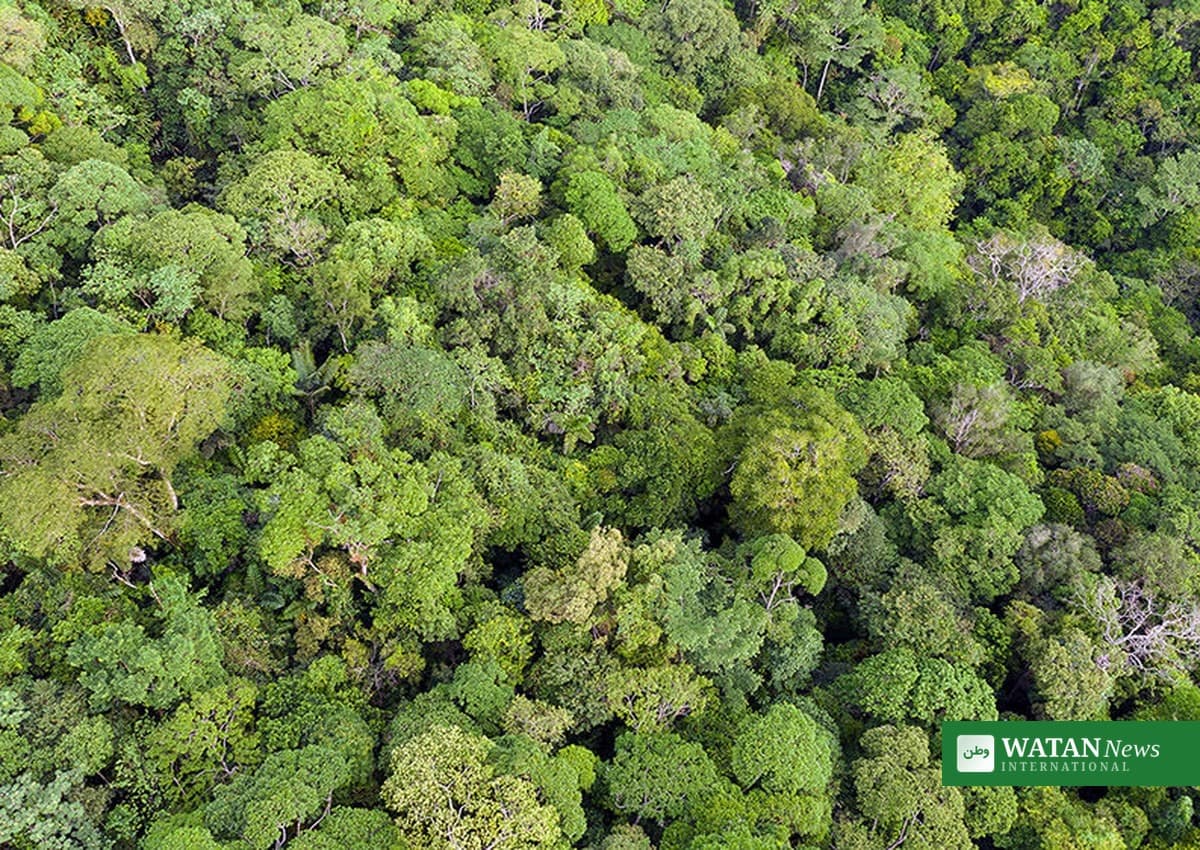
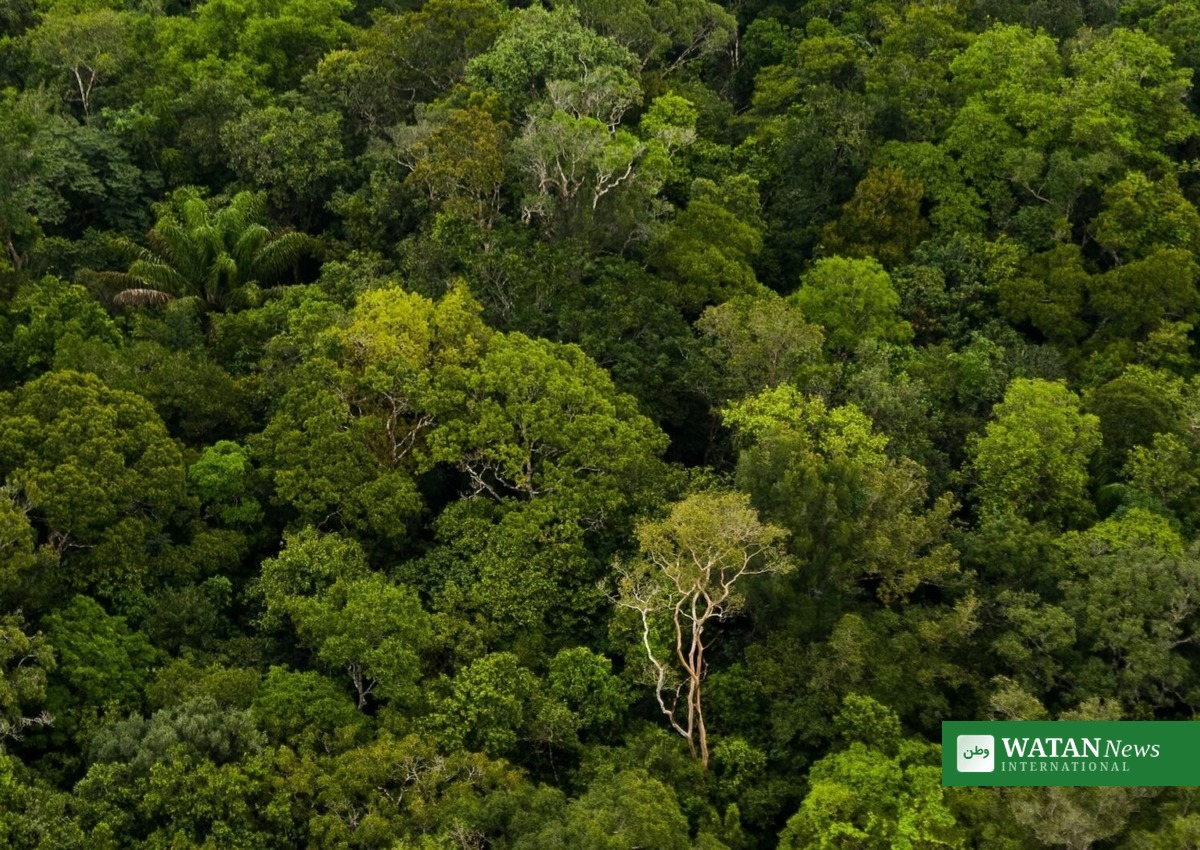
New maps and analysis by Earth Insight show why the zones matter. Oil and gas blocks at various stages of development and production now overlap with 179 million hectares of intact tropical moist forest — roughly 21 percent of high-integrity tropical forests across the Amazon, the Congo region and Southeast Asia. Across 11 frontier areas, 19 percent of Marine Protected Areas are already overlapped by oil and gas blocks. In the Amazon, 12 percent of Indigenous Peoples’ and local communities’ lands are overlapped by oil and gas blocks, and in the Congo basin 38 percent of community forests are overlapped.
Why it matters for COP31
Fossil fuels are not on the formal negotiating agenda at COP31, and decisions at the talks require consensus from nearly all parties. Brazil’s COP30 presidency published voluntary roadmaps on transitioning away from fossil fuels and halting deforestation on 3 November, but they sit outside the formal negotiations, and some European nations have signalled support for using them to inform the next global assessment of climate action, due in 2028.
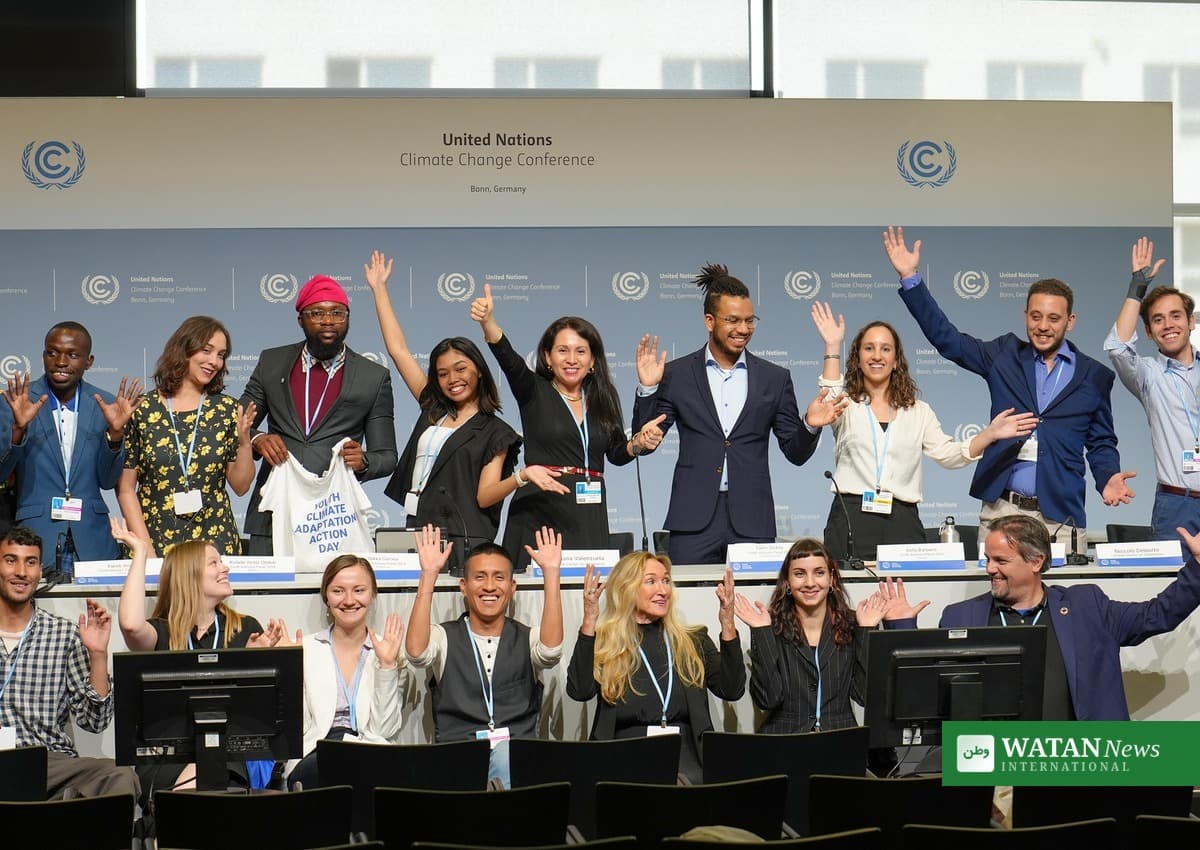
The Fossil-Free Zones call offers governments something they can do without waiting for consensus in Antalya: add the zones to their national energy plans. That was the message of the first International Conference on Transitioning Away from Fossil Fuels, held in Santa Marta, Colombia, on 28–29 April 2026, which brought together more than 45 countries.
For the ministers behind the call, the zones bridge the climate and biodiversity agendas at a moment when both are under pressure — and they give the COP31 presidency’s promise of an implementation summit a tool that can be measured in hectares protected, not only in words agreed.
Key facts
- What: Fossil-Free Zones — areas where fossil fuel exploration, extraction and related infrastructure are permanently banned
- Who: Call made on 5 November 2026 by Irene Vélez Torres of Colombia and Ralph Regenvanu of Vanuatu, ahead of COP31 in Antalya (9–20 November 2026)
- First: Colombia declared the first region-wide zone across its entire Amazon in September 2025
- Scale: More than 500 sites and regions declared; 58 active production restrictions in 25 countries and 27 subnational jurisdictions, according to the International Institute for Sustainable Development
- Threat: Oil and gas blocks overlap 179 million hectares of intact tropical moist forest, about 21 percent of high-integrity tropical forests
- Finance: Eleven banks, including BNP Paribas, HSBC and Citibank, restrict financing for fossil fuel projects in the Amazon