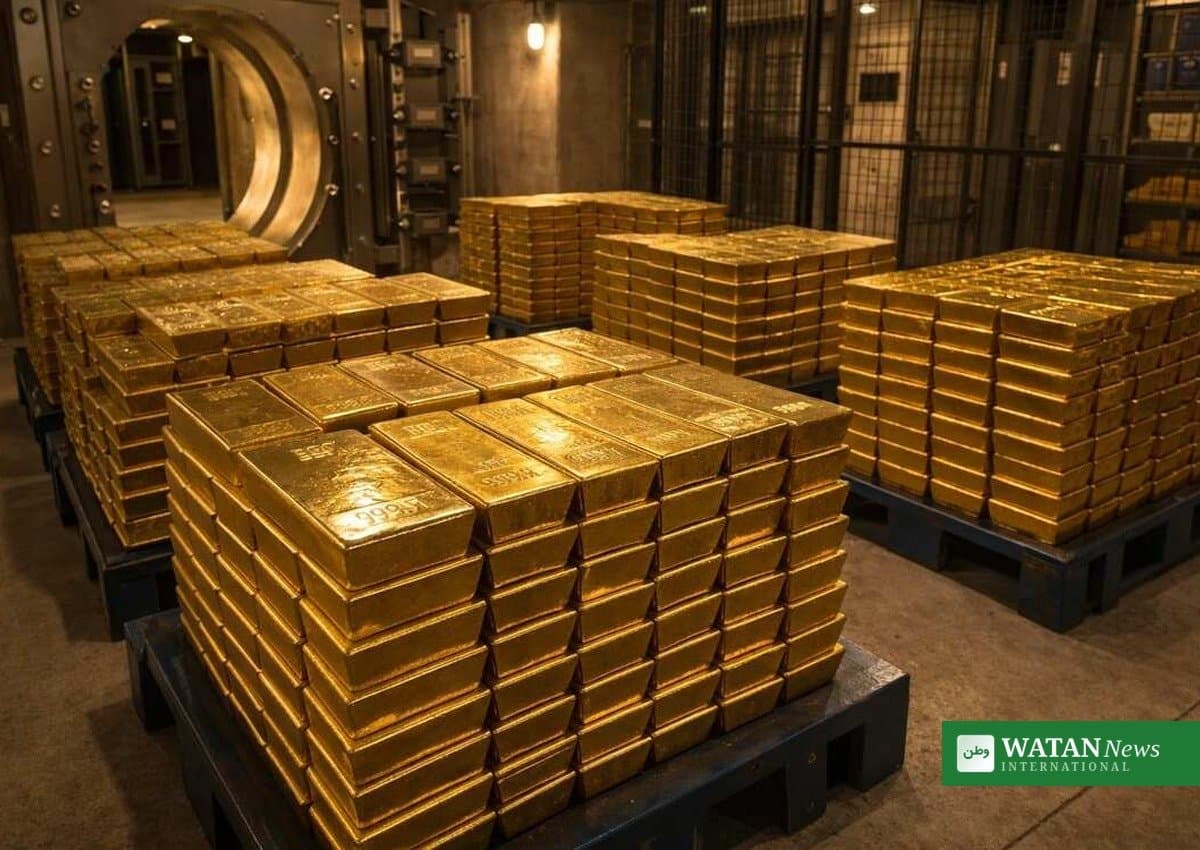
Gold slipped to the $4,000-an-ounce mark on Friday as stronger-than-expected United States inflation data and rising oil prices strengthened expectations that the Federal Reserve will raise interest rates again in December. The metal, which pays no interest to holders, lost ground as traders priced in tighter policy for longer, putting it on course for a second consecutive monthly decline.
FAKTA
- Spot gold traded at around $4,000 per ounce on Friday, down about 0.5 per cent, after briefly dipping below the level in Asian trading.
- US gold futures for December delivery stood near $4,010 per ounce, also down about 0.5 per cent.
- US inflation: the personal consumption expenditures (PCE) price index rose 0.5 per cent in September from August, taking the annual rate to 3.6 per cent, up from 3.4 per cent.
- Rate-hike odds: traders see about a 75 per cent chance of a Federal Reserve increase in December, according to the CME FedWatch Tool.
- Federal Reserve rate: held at 3.75 to 4.00 per cent at the October meeting, with two policymakers voting for an immediate rise.
- Other metals fell further: silver dropped 1.6 per cent to $51.53 an ounce, platinum fell 1.9 per cent to $1,459.75, and palladium lost 1.4 per cent to $992.37.
Inflation data shifts rate expectations
The latest US figures showed inflation accelerating in September, with higher petrol prices and rising costs for other goods pushing the Federal Reserve’s preferred inflation gauge higher. The PCE index recorded its largest monthly rise since March, while core inflation, which excludes food and energy, held at 3.1 per cent over the year.
The Federal Reserve kept its benchmark rate unchanged at its October meeting, but two members of its rate-setting committee voted for a quarter-point increase, signalling unease about persistent price pressures. Markets read the firm data and the split vote as a sign that another rise before year-end is now likely. Higher rates tend to weigh on gold because the metal offers no yield, and Friday’s trading followed that pattern.
Oil and global pressures add to the strain
Rising energy costs added to the pressure. Crude oil was heading for a fourth consecutive monthly gain on Friday, after an attack on a tanker in the Strait of Hormuz renewed concern about possible disruptions to supplies. Broader geopolitical tensions in the Middle East have kept energy markets sensitive, and higher fuel costs risk feeding into wider inflation.
What traders are watching next
Market analysts described the $4,000 level as an important support point for gold, with traders watching whether fresh buying emerges to steady prices. Gold has already lost almost 4 per cent during October, and the other precious metals were also heading for weekly and monthly losses.
Attention now turns to coming US economic reports and further signals from Federal Reserve officials ahead of the central bank’s December meeting. Until then, the $4,000 mark remains the key test of whether gold can stabilise after its October slide. More international business coverage is available on Watan News.