Pakistan has formed a working group to boost global exports, tasking it with reviewing the shipping-connectivity and cost challenges faced by the country’s exporters. Federal Minister for Maritime Affairs Muhammad Junaid Anwar Chaudhry announced the move after a meeting with a delegation of exporters, saying the group will identify the bottlenecks in moving Pakistani goods to world markets and recommend practical solutions. (Full story: Pakistan forms working group to boost global exports)
FAKTA: The story in brief
Federal Minister for Maritime Affairs Muhammad Junaid Anwar Chaudhry has formed a working group to improve shipping connectivity and cut transport costs for Pakistani exporters. A delegation of exporters — including textile and apparel industry leaders and Adidas sourcing executives — told the minister that altered regional shipping routes have sharply raised the cost and transit time of sending goods to Europe and America. The minister said the government could lease or even purchase container ships if exporters guarantee the cargo volume. The delegation will now consult stakeholders and present detailed proposals to the working group.
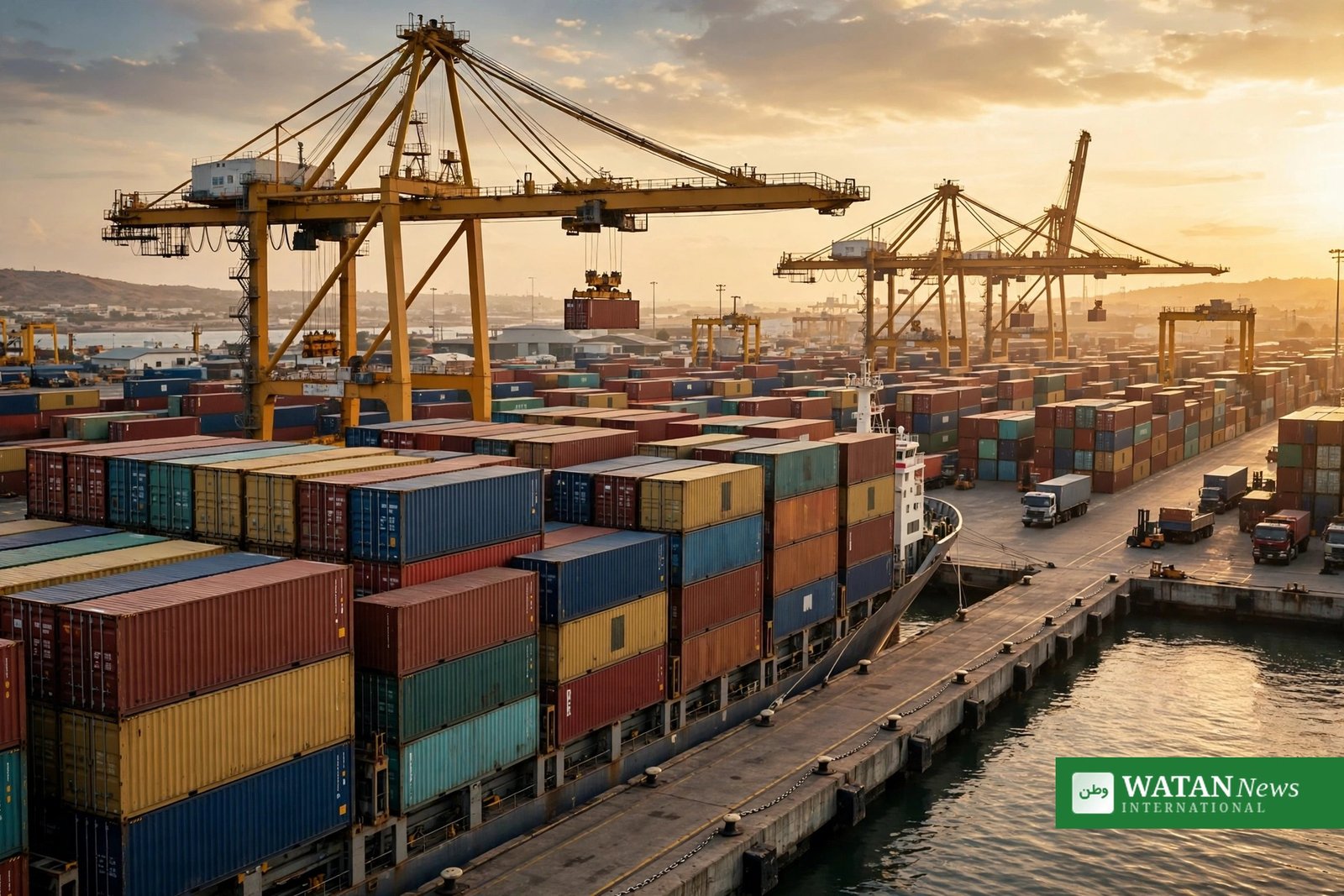
Meeting with exporters
The working group was formed following a meeting between the Federal Minister and a delegation of exporters, who apprised him of the significant difficulties they are encountering because of recent alterations in regional shipping routes. The delegation included Shahzad Asghar Ali, CEO of Style Textile, along with Benedict Brunner, Vice President of Adidas Global, and Saqib Rafiq, Senior Director of Sourcing Operations at Adidas. Syed Jarrar Haider Kazmi, CEO of the Pakistan National Shipping Corporation (PNSC), joined the meeting virtually.
The exporters — key figures from the textile and apparel industries — explained how longer, costlier routes are squeezing their margins on shipments to major Western markets.
Pakistan working group exports: what the minister decided
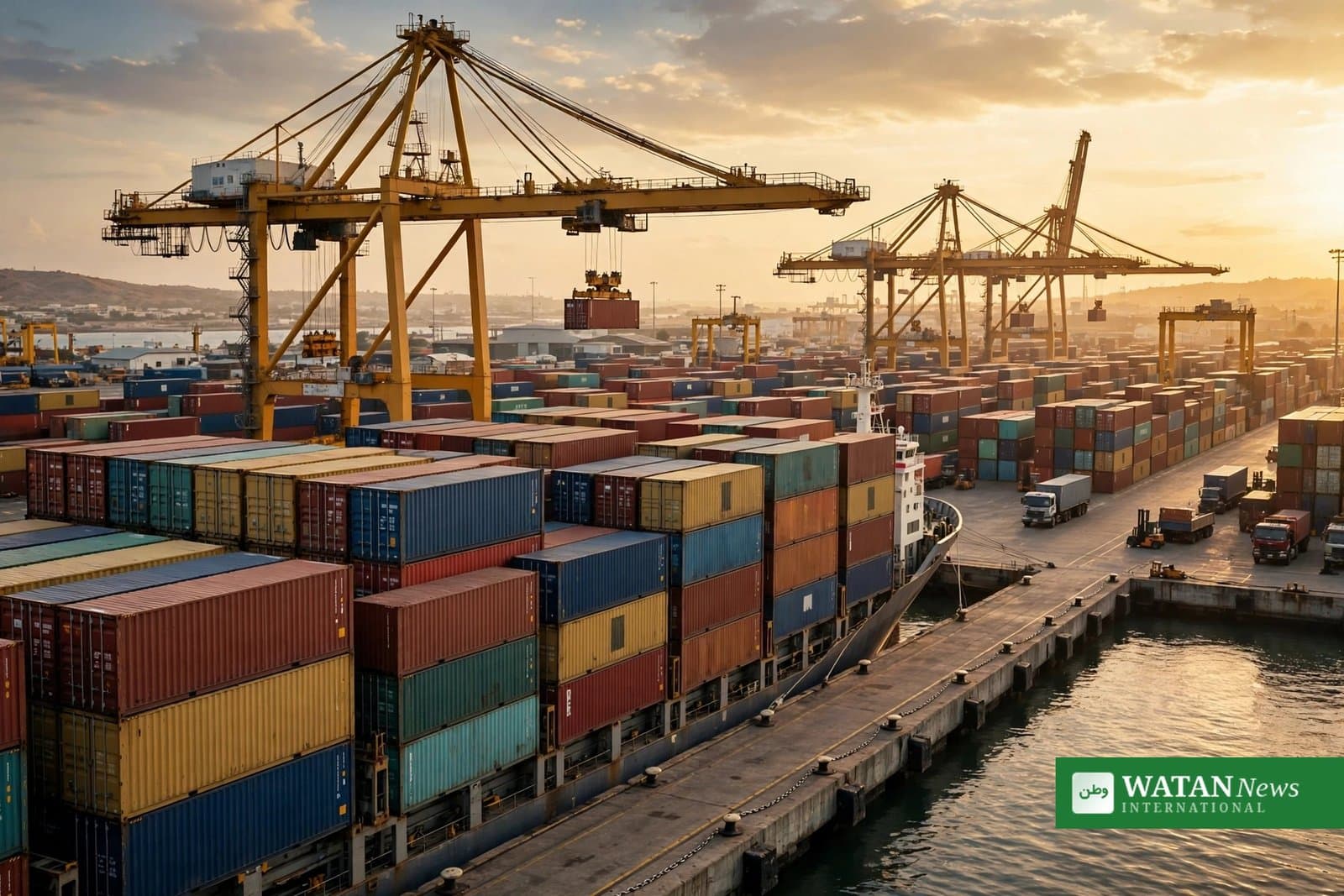
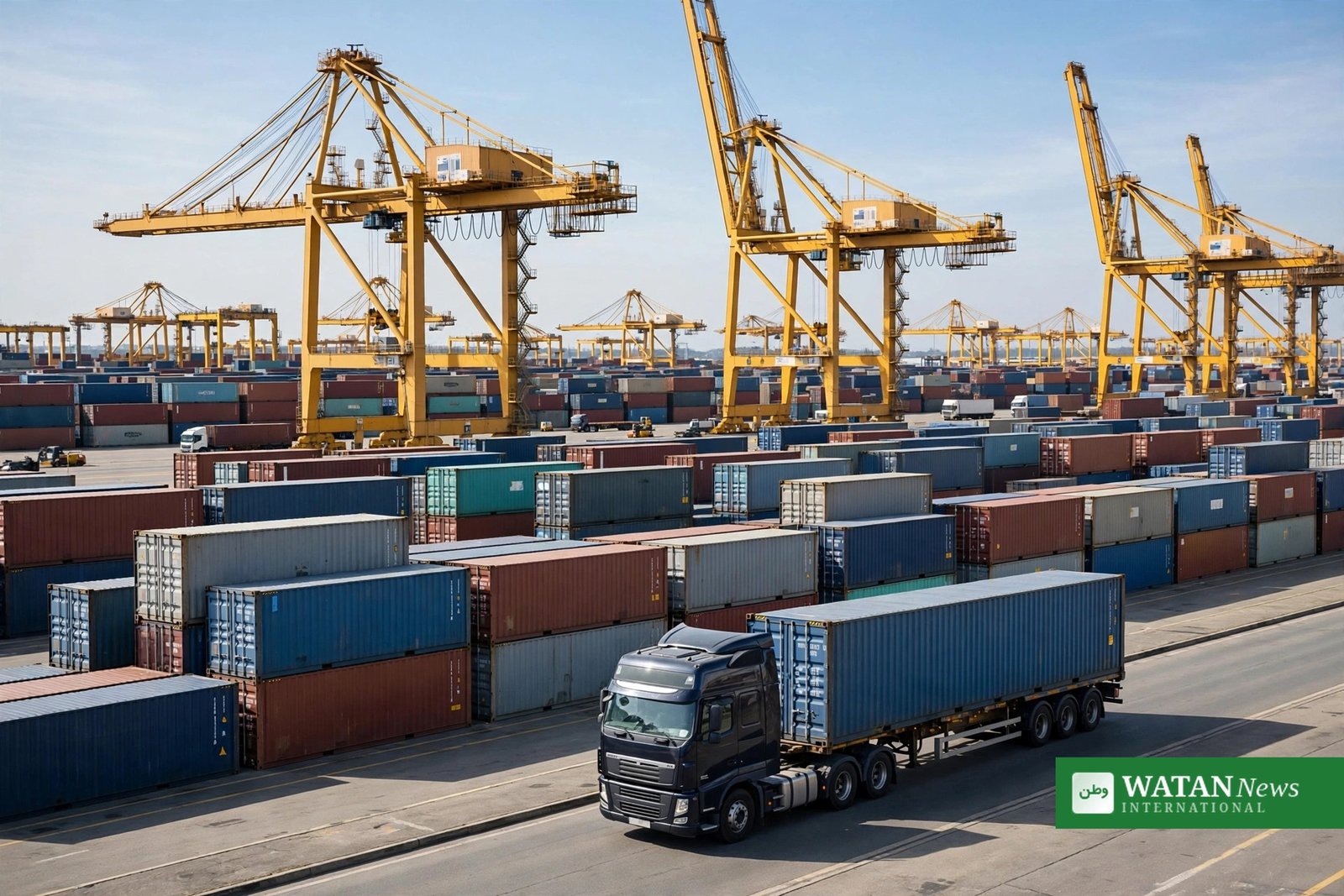
The exporters conveyed that the current shipping route modifications have led to a substantial increase in both the cost and the time required to transport Pakistani goods to European and American markets. This places Pakistani businesses at a competitive disadvantage compared with regional rivals who enjoy more direct and cost-effective access to the same destinations.
Federal Minister Chaudhry indicated a willingness to explore significant measures to support the export sector. He said the government could consider leasing — or even purchasing — container ships, provided exporters can offer a firm commitment on the cargo volume needed to make such operations commercially viable.
During the meeting there was a consensus on exploring a range of measures to reduce transportation expenses and strengthen export linkages. A central idea under discussion is the feasibility of establishing a dedicated container ship service for Pakistani exports. The working group will analyse current shipping logistics to identify bottlenecks, carry out cost-benefit analyses for potential new routes or services, evaluate the feasibility of acquiring or leasing dedicated vessels, explore collaboration with international shipping lines for favourable terms, and assess the impact on overall export volumes and competitiveness.
Broader context: Pakistan’s export push
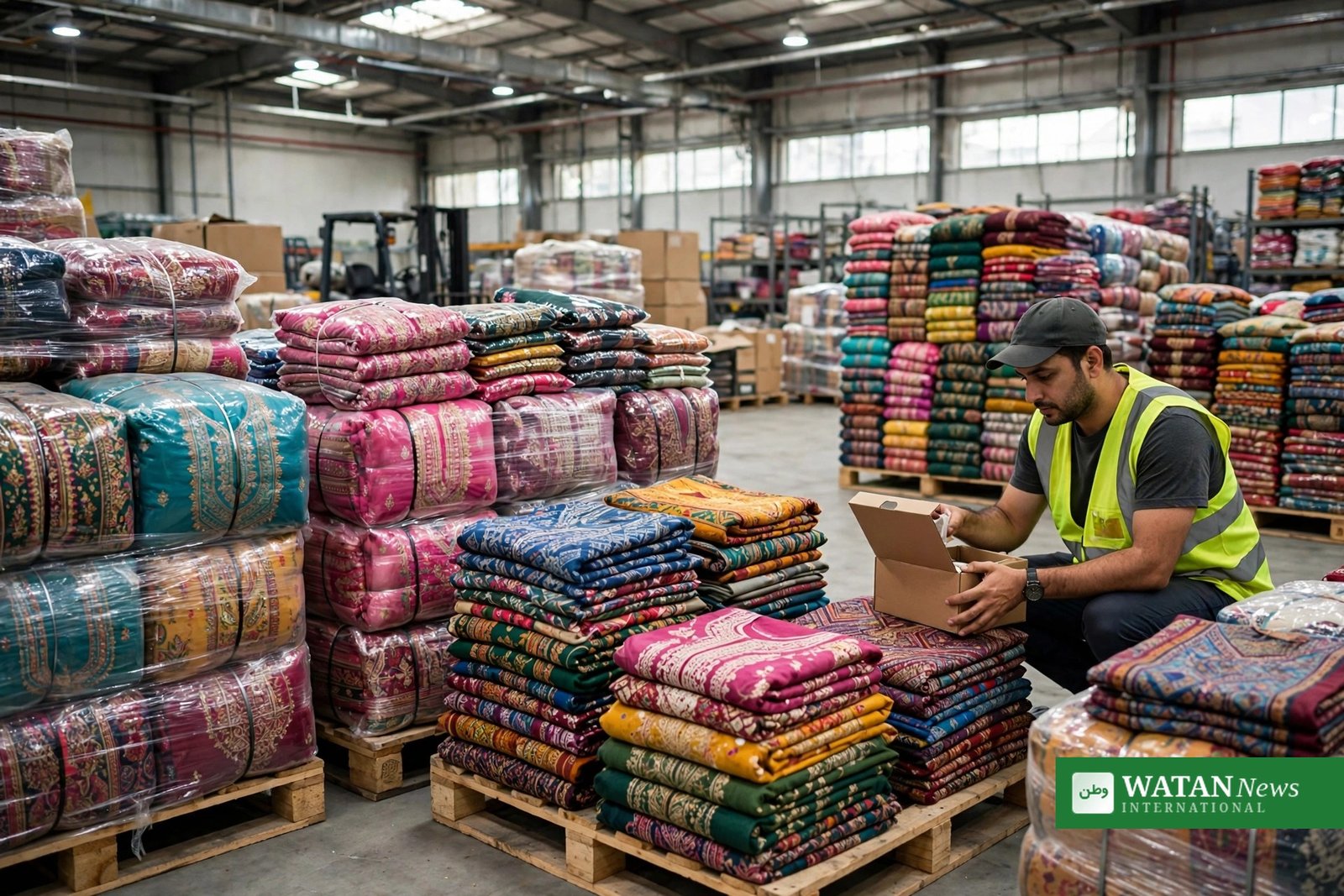
The move comes as Pakistan pursues an export-led growth strategy. Under the national “Uraan Pakistan” economic framework, the government has set targets of $60 billion in additional export growth over five years on the path to a $1 trillion economy by 2035, with ministries directed to draw up dedicated, cluster-wise export plans, according to the Press Information Department. The maritime working group is one of several sector-level efforts meant to feed into that wider agenda.
Conclusion
Minister Chaudhry reiterated his commitment to facilitating Pakistani exports, and the delegation assured him it would present detailed proposals to the new working group after thorough consultations with other stakeholders and exporters. The collaborative approach — government bodies and exporters working through the working group — is expected to yield practical solutions, potentially including dedicated shipping services, to overcome the hurdles posed by altered regional shipping routes and get Pakistani products to international consumers more efficiently and affordably. (Read more trade coverage in our World news section.)