
Federal Minister and Chairman of the Parliamentary Committee on Kashmir, Rana Muhammad Qasim Noon, has said that lasting peace in South Asia is unattainable without Kashmir dispute resolution. Addressing overseas Kashmiris in Dallas, Texas, he said most demands raised in Azad Jammu and Kashmir have been met, and urged the diaspora to view developments there rationally and objectively. Noon reaffirmed Pakistan’s political, moral and diplomatic support for the Kashmiri people, while drawing a clear distinction between the situation in Azad Jammu and Kashmir and Indian Illegally Occupied Jammu and Kashmir.
Message to overseas Kashmiris
Speaking to overseas Kashmiris, Noon addressed their concerns about the recent unrest and loss of lives in Azad Jammu and Kashmir. He suggested that the situation is sometimes portrayed abroad in a way that does not fully reflect ground realities, and described the dispute as an “internal matter” — akin to disagreements within a family that can be resolved through engagement.
He said a new government has taken office in Azad Jammu and Kashmir, with hopes for gradual improvement, and encouraged the Kashmiri diaspora to keep a rational and objective perspective on events in the region.
JAAC demands and the situation in AJK
On the demands put forward by the Joint Awami Action Committee (JAAC) — proscribed under the Anti-Terrorism Act on 5 June 2026 — Noon said a significant majority of its 38-point charter of demands have already been accepted by the government following negotiations in September–October 2025. He alleged that certain elements are exaggerating the situation and that external forces are attempting to exploit the unrest for their own agendas.
The JAAC movement, which emerged in 2023 around demands for cheaper electricity and flour, the reduction of official privileges and greater economic and political rights in Azad Jammu and Kashmir, led to violent clashes and fatalities in May 2024 and September 2025.
Distinguishing AJK from IIOJK
Noon drew a clear distinction between the situation in Azad Jammu and Kashmir and that in Indian Illegally Occupied Jammu and Kashmir (IIOJK). He highlighted the large military deployment and reported human rights violations in IIOJK, arguing the two situations cannot be compared. Pakistan’s national agenda, he said, fundamentally includes Kashmir.
Kashmir dispute resolution: Pakistan’s position at the UN
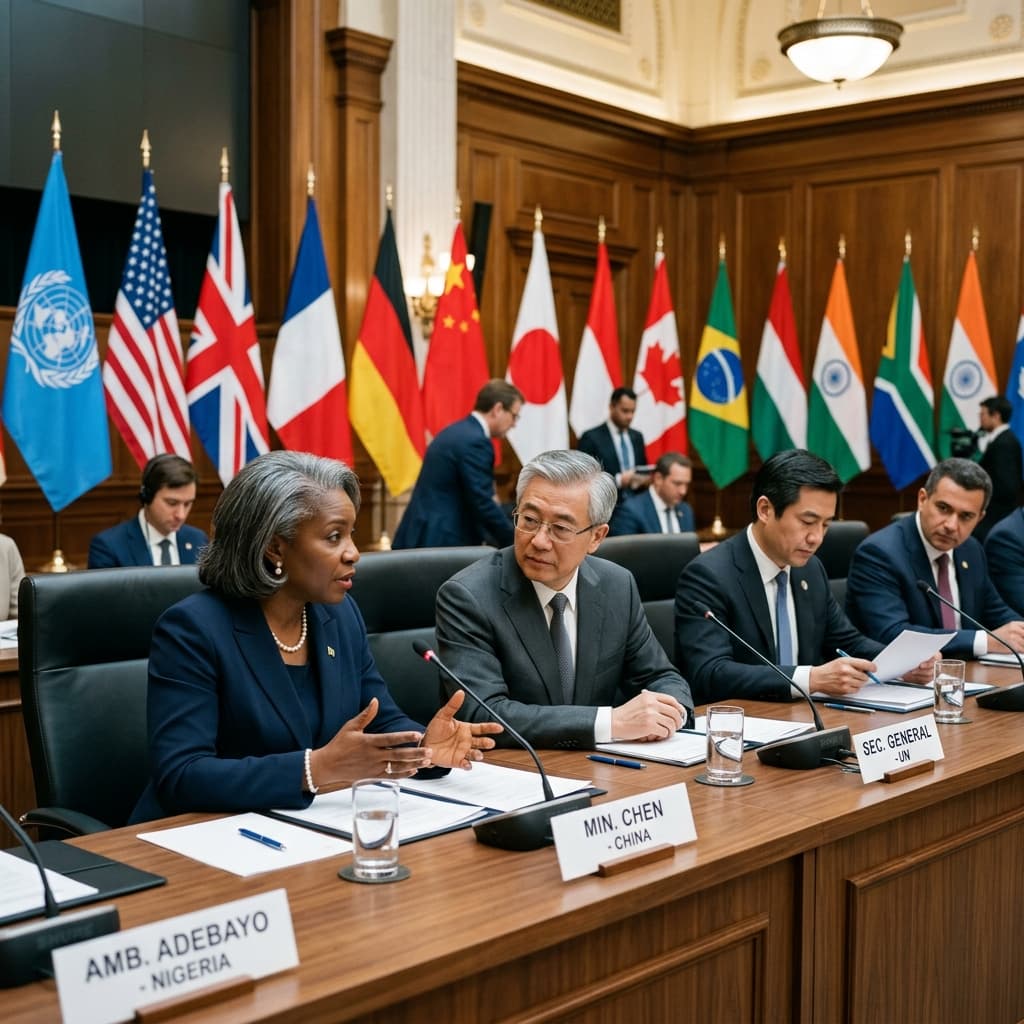
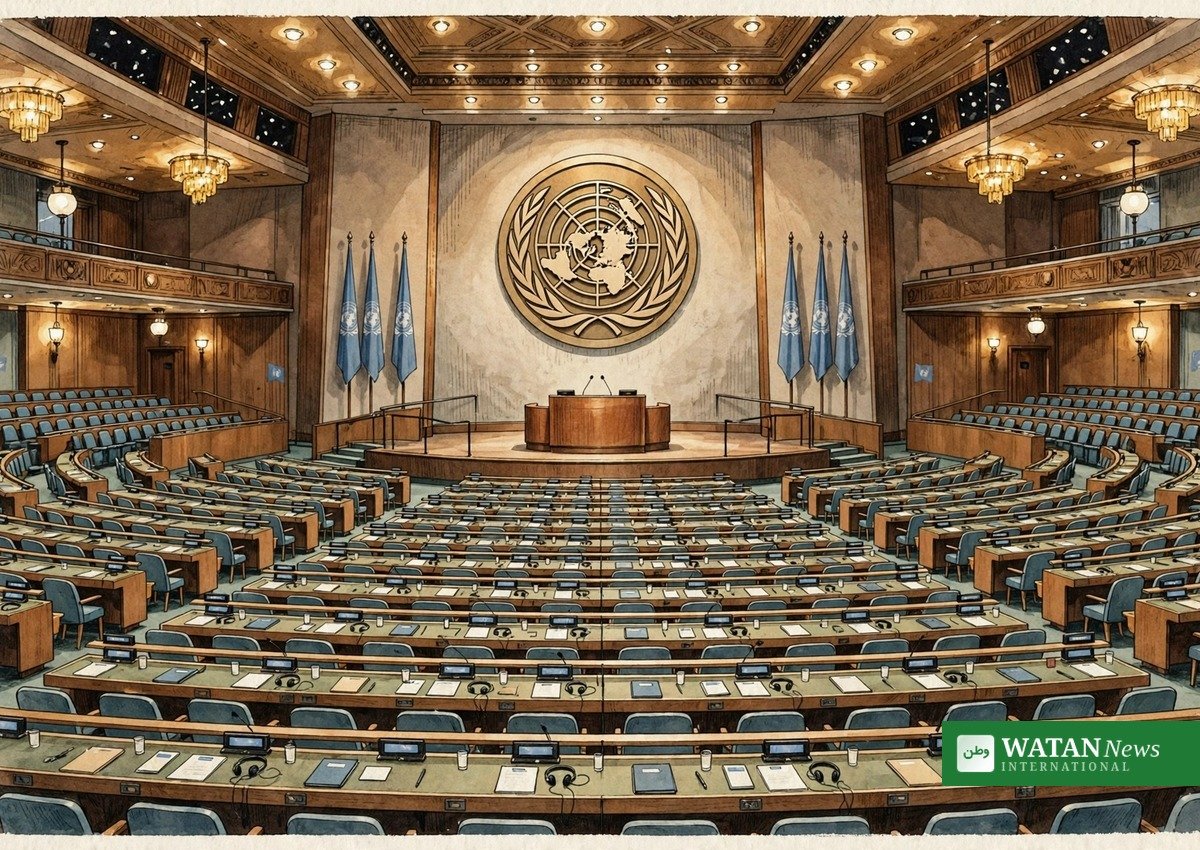
Reflecting on his recent visit to the United States as part of Prime Minister Shehbaz Sharif’s delegation, Noon said the Prime Minister forcefully raised the Kashmir issue at the United Nations General Assembly, clearly articulating Pakistan’s position to the international community.
Noon reiterated Islamabad’s long-standing stance that Kashmir remains central to Pakistan’s national agenda, underscoring that Pakistan stands with Kashmiris politically, morally, diplomatically and socially. Differences, he added — like those between a father and son — should not be misconstrued as a fundamental break in the relationship.
Key facts
Who: Rana Muhammad Qasim Noon — Federal Minister and Chairman of the (Special) Parliamentary Committee on Kashmir.
Core message: Lasting peace in South Asia is unattainable without resolving the Kashmir dispute.
On AJK demands: The government says a significant majority of the JAAC’s 38-point charter of demands have been accepted; the JAAC was proscribed under the Anti-Terrorism Act on 5 June 2026.
On the diaspora: Overseas Kashmiris were urged to view AJK developments rationally and objectively.
International forum: Prime Minister Shehbaz Sharif raised the Kashmir issue at the United Nations General Assembly.
Pakistan’s stance: Political, moral and diplomatic support for Kashmiris; AJK distinguished from IIOJK.
Conclusion
Noon’s remarks underscore Pakistan’s consistent policy on the Kashmir dispute and its centrality to regional peace. His outreach to overseas Kashmiris aimed to reassure the diaspora and clarify the government’s perspective on recent events in Azad Jammu and Kashmir, while his call for rational engagement and dialogue signals a continued commitment to resolving outstanding issues through political means.