Storm Adam floods have killed at least four people in eastern Spain after torrential rain swept across the Mediterranean coast on Monday, forcing more than 2,000 people from their homes and triggering hundreds of dramatic rooftop rescues by helicopter.
The storm dumped extraordinary amounts of rain across Valencia, Alicante and parts of Catalonia, bursting river banks, cutting off entire towns and leaving scenes that revived painful memories of the catastrophic 2024 floods that killed more than 230 people in the same region.
FAKTA
- Death toll: at least four — two women found dead over the weekend in Sagunto and Cabrera de Mar, and two more people found dead on Monday in Oliva.
- Evacuations: more than 2,000 people evacuated, mainly in the town of Oliva; tens of thousands under shelter-in-place orders at the storm’s peak.
- Rescues: the Civil Guard carried out nearly 100 rescues in Valencia and Alicante, many of them lifting stranded residents from rooftops by helicopter.
- Rainfall: Pego in Alicante province recorded 632 millimetres of rain in 36 hours; Spain’s AEMET weather agency called conditions “extremely adverse”.
- Schools: more than 100,000 students in the Valencia region had classes suspended.
Storm Adam floods leave four dead
Two of the victims were found over the weekend: one woman whose body was washed up on a beach in Sagunto, in the Valencia region, and another who was swept away by floodwaters in Cabrera de Mar, near Barcelona.
On Monday, members of Spain’s Military Emergencies Unit found the body of a woman in the town of Oliva during rescue operations, regional broadcaster A Punt reported. A 64-year-old man also died at a flooded campsite in the town after suffering a heart attack, as floodwaters prevented him from receiving medical attention in time.
The storm’s victims echo the 2024 disaster: in October 2024, catastrophic flooding killed more than 230 people in the Valencia region — and many residents fear a repeat.
Hundreds rescued from rooftops
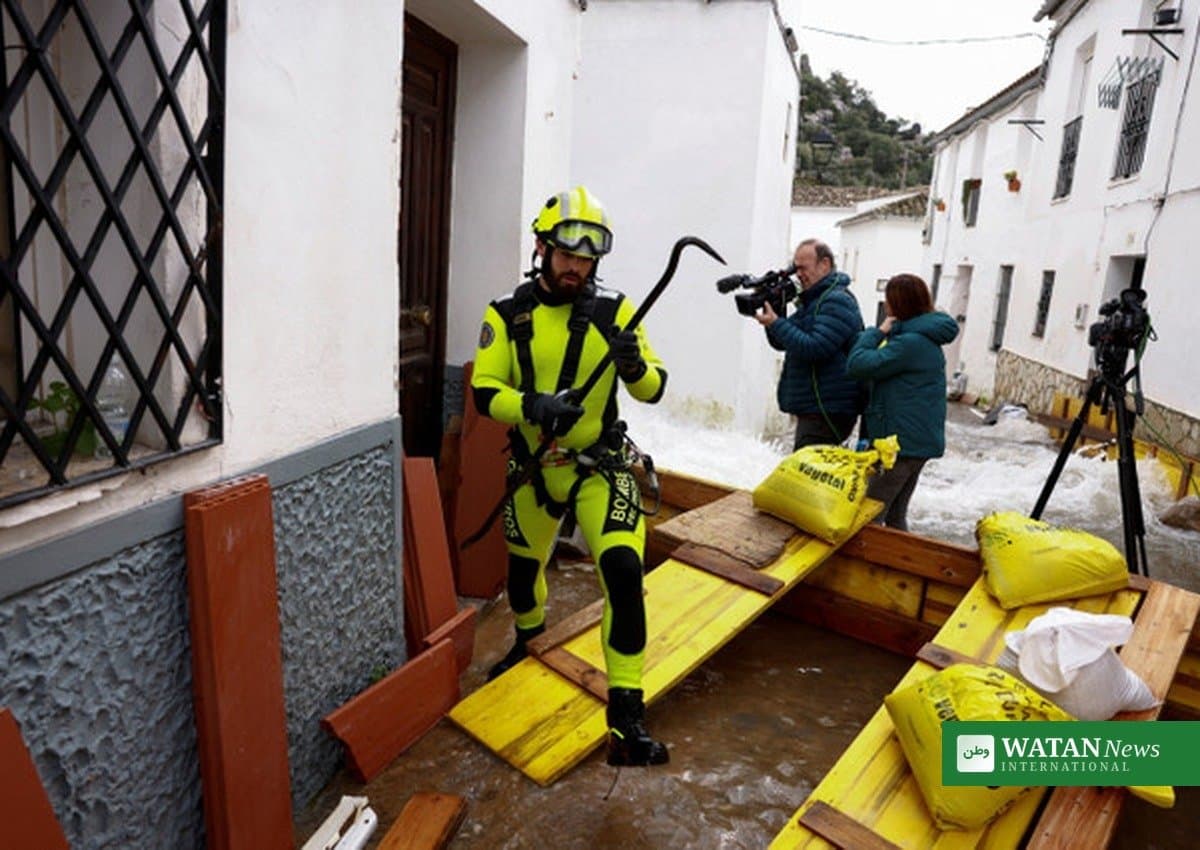
Helicopters winched stranded residents from rooftops as entire towns along the coast were cut off. The mayor of Pego, Enrique Moll, told regional radio that several people were still waiting to be evacuated by helicopter from their rooftops, with all access routes to the town blocked and even heavy-duty military vehicles unable to move forward in some areas.
In Oliva, one of the worst-hit towns, Deputy Mayor Salvador Llopis told state broadcaster TVE that emergency services were rescuing trapped residents, particularly elderly people stuck inside their homes with water up to their waists.
Elderly residents waited on rooftops
“They have to stay on top of tables and furniture to avoid getting wet,” Llopis said, adding that the rains had started to ease after causing extensive damage to infrastructure.
Army and Civil Guard deployed
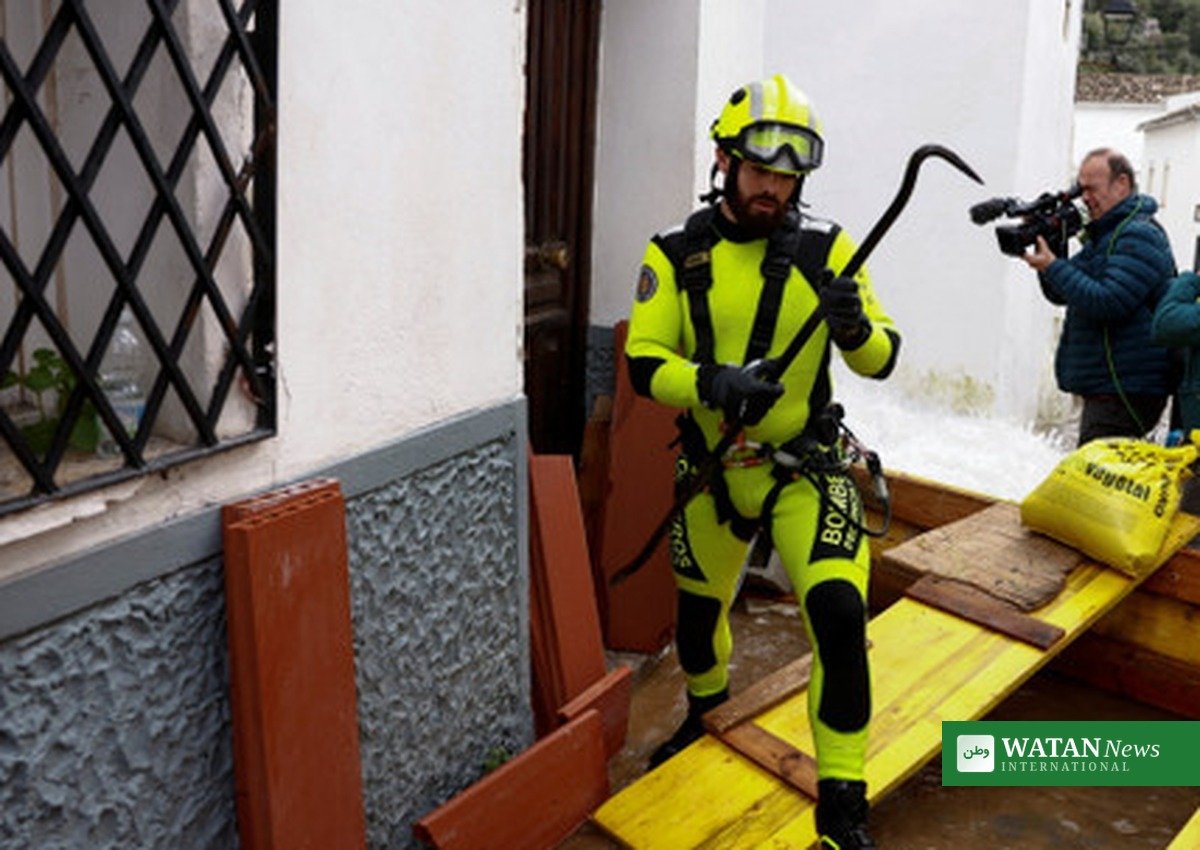
The central government deployed emergency units from the military and the national police. A dozen helicopters and army units joined the rescue effort, while the Civil Guard said nearly 100 rescues had been carried out across Valencia and Alicante.
Record rainfall and red alerts
National weather agency AEMET said torrential rains linked to Storm Adam dumped exceptional amounts of rain across eastern Spain. Pego recorded 632 millimetres in 36 hours, while several locations in southern Valencia and northern Alicante exceeded 500 millimetres over the same period — the heaviest rainfall since 1987.
AEMET issued several red alerts, warning residents to avoid all travel and seek higher ground. Regional authorities placed around 800,000 people under shelter-in-place orders on Monday morning, a figure that had fallen to 87,000 across eight municipalities by late afternoon.
Streets turned into torrents
In Els Poblets, northeast of Alicante, cars and vans were left piled on top of one another by the force of the water as residents tried to salvage what they could from their flooded homes.
“The village, well, it’s a disaster. Some people have lost everything all over again, just like in 2007, when exactly the same thing happened,” local chef Javier Fornez said.
Government response
Spanish Prime Minister Pedro Sanchez described the situation in Valencia as “very complicated” and warned of “lots of caution”. Writing on X, he said the military was already deployed to collaborate with emergency services and that efforts were underway to rescue people in hard-to-reach areas.
The storm was expected to move towards Catalonia later on Monday, particularly the provinces of Barcelona and Girona, where authorities warned that soil already saturated by previous storms increased the risk of further flooding.
More coverage of European weather emergencies can be found in the Europe news section.