LIVE
BREAKING
French School Protests: 15-Year-Old Loses Hand After Picking Up Stun GrenadeTrio Wins 2026 Nobel Prize in Medicine for Optogenetics DiscoveryHousing Minister Unveils National Housing Policy 2025 on World Habitat DayEuro Hits 17-Month Low Against Dollar on French Debt ConcernsUS air force removes all bombers from British military base RAF FairfordProf. Hassan Amin Named Vice Chancellor of University of SwatWorld Space Week: Which Nations Have Sent Humans Into OrbitNew $500 Journalism Prize Honors Reporting Linking Population Change to Planetary HealthPunjab CM Maryam Honors Teachers on World Teachers’ DayStudents Back Climate-Friendly School Meals When the Food Tastes Good, Swedish Study FindsIslamabad’s renewed plastic-free push puts everyday habits under scrutinySumitomo backs Hero Future Energies’ 500 MWp solar-wind project to deliver 24/7 renewable power in IndiaRenewables hit record 693 GW in 2025, but world still off pace for 2030 tripling target — IRENAFrench Schools Shut as Hundreds Join Anti-Government ProtestsGreen Ambassadors: The Unlikely Voices Turning Fame Into Climate ActionAlleged flydubai attacker left Australia before completing engineering studiesBREEAM Awards 2026 Honour the Built Environment’s Climate Champions — From Brussels to BirminghamPre-COP31 Opens in Fiji: Pacific Ministers Press Finance and 1.5°C Pledge Before AntalyaYemen: Saudi-Backed Govt Launches Offensive to Recapture Houthi TerritoryCNN’s Call to Earth Day 2026: More Than a Million Sign Up to ‘Think Blue’ for the Ocean on 8 OctoberFrench School Protests: 15-Year-Old Loses Hand After Picking Up Stun GrenadeTrio Wins 2026 Nobel Prize in Medicine for Optogenetics DiscoveryHousing Minister Unveils National Housing Policy 2025 on World Habitat DayEuro Hits 17-Month Low Against Dollar on French Debt ConcernsUS air force removes all bombers from British military base RAF FairfordProf. Hassan Amin Named Vice Chancellor of University of SwatWorld Space Week: Which Nations Have Sent Humans Into OrbitNew $500 Journalism Prize Honors Reporting Linking Population Change to Planetary HealthPunjab CM Maryam Honors Teachers on World Teachers’ DayStudents Back Climate-Friendly School Meals When the Food Tastes Good, Swedish Study FindsIslamabad’s renewed plastic-free push puts everyday habits under scrutinySumitomo backs Hero Future Energies’ 500 MWp solar-wind project to deliver 24/7 renewable power in IndiaRenewables hit record 693 GW in 2025, but world still off pace for 2030 tripling target — IRENAFrench Schools Shut as Hundreds Join Anti-Government ProtestsGreen Ambassadors: The Unlikely Voices Turning Fame Into Climate ActionAlleged flydubai attacker left Australia before completing engineering studiesBREEAM Awards 2026 Honour the Built Environment’s Climate Champions — From Brussels to BirminghamPre-COP31 Opens in Fiji: Pacific Ministers Press Finance and 1.5°C Pledge Before AntalyaYemen: Saudi-Backed Govt Launches Offensive to Recapture Houthi TerritoryCNN’s Call to Earth Day 2026: More Than a Million Sign Up to ‘Think Blue’ for the Ocean on 8 October
Slider Main

Trio Wins 2026 Nobel Prize in Medicine for Optogenetics Discovery

Usman javedPublished October 5, 2026
Trio Wins 2026 Nobel Prize in Medicine for Optogenetics Discovery
Share this story

The 2026 Nobel Prize in Physiology or Medicine has been awarded to three scientists — American Karl Deisseroth and Germans Peter Hegemann and Georg Nagel — for their discoveries concerning light-gated ion channels and optogenetics, the Nobel Assembly at Karolinska Institutet announced in Stockholm on Monday. The technique lets researchers switch individual nerve cells in a living brain on and off with light, opening what the prize committee called a completely new dimension in understanding how the brain works.

FAKTA

  • Winners: Karl Deisseroth (USA), Peter Hegemann and Georg Nagel (Germany).
  • Prize: 2026 Nobel Prize in Physiology or Medicine, announced 5 October 2026 in Stockholm.
  • Discovery: light-gated ion channels and optogenetics — controlling nerve cells with light.
  • Prize money: 12 million Swedish crowns (about $1.2 million), shared by the three laureates.
  • Next announcements: Physics on 6 October, Chemistry on 7 October, Literature on 8 October, Peace on 9 October, Economics on 12 October.

A light switch for brain cells

In the 1990s, Peter Hegemann, then at the Max Planck Institute for Biochemistry in Germany, wondered how a single-celled alga called Chlamydomonas can swim towards light. He discovered that the key is a light-sensitive protein.

In the 2000s, Hegemann teamed up with Georg Nagel, then at the Max Planck Institute for Biophysics in Frankfurt. Together they showed that the protein acts as a switch: when exposed to light, it opens a channel that lets ions flow through it. They called the protein channelrhodopsin.

“They had just discovered the switch neuroscientists had long dreamed of,” said Abdel El Manira, a neuroscientist and member of the Nobel Committee, at the announcement.

Karl Deisseroth, a psychiatrist and neurologist at Stanford University in California, then took the discovery further. He genetically engineered rats so their nerve cells produced channelrhodopsin — and showed that shining light on the cells activated them. Published in 2005, the work was later extended to controlling nerve cells in the brains of living mice, establishing the field of optogenetics.
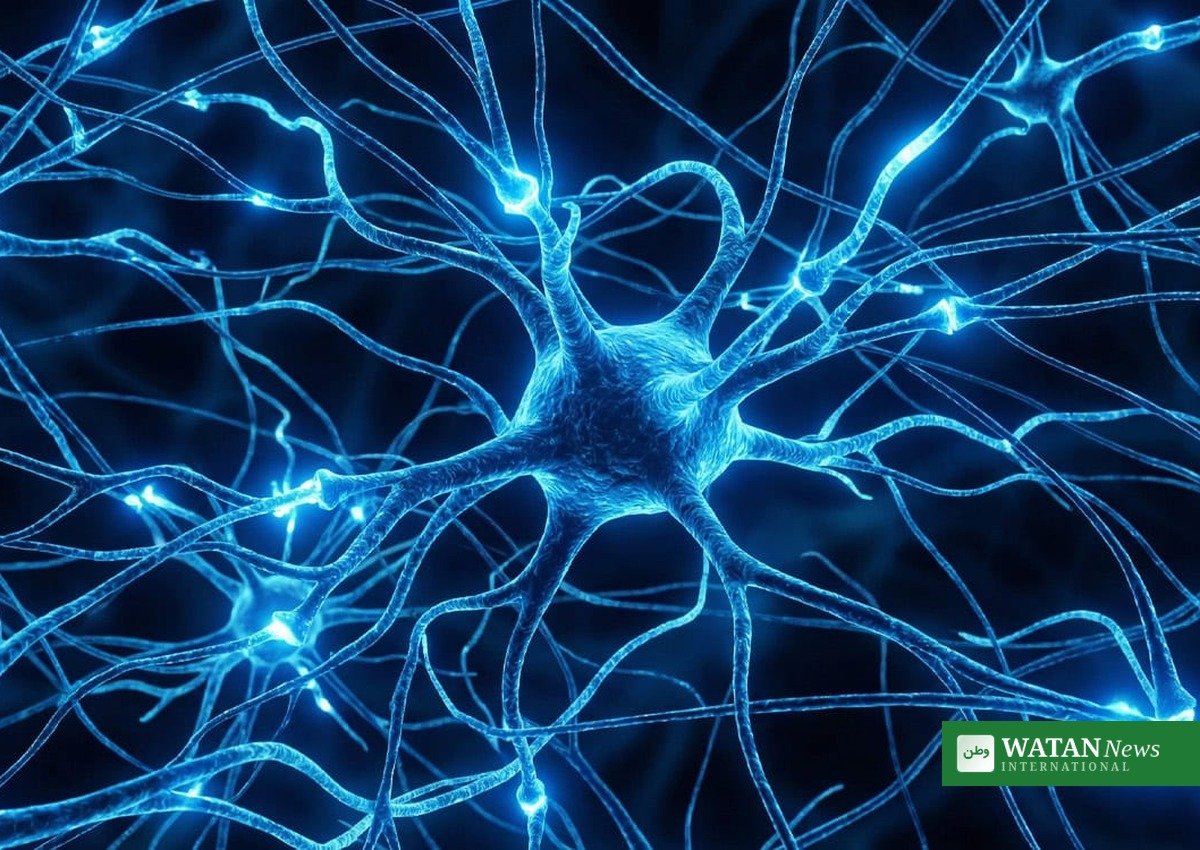
Blue light switching nerve cells on and off — optogenetics, the 2026 Nobel Prize in Medicine discovery
Optogenetics lets researchers switch individual nerve cells on and off with blue light — the discovery behind the 2026 Nobel Prize in Medicine.

“No real sleep was achieved”

Deisseroth, 54, told the Associated Press he was up late in his Northern California home, working on papers and emailing his students, when the call from Stockholm came. “No real sleep was achieved,” he said — adding that his next task was packing school lunches for his children.

Thomas Perlmann, secretary general of the medicine committee, said he managed to reach all three winners on Monday morning. The Nobel Assembly said the method “is now being used in laboratories around the world to reveal the brain’s mysteries.”

“It’s a tremendous step forward to be able to link nerve cells and their function to specific behaviours,” said committee member Anna Wedell. “It’s a completely new dimension of understanding of the function of the brain.”

Why the 2026 Nobel Prize in Medicine discovery matters

Optogenetics has let researchers map the neural circuits behind memory, emotion and behaviour, and study pathways linked to neurological and psychiatric disorders. The field is also being explored in clinical medicine — including attempts to restore sight in people with visual impairment — and may one day contribute to treatments for Parkinson’s disease and epilepsy.

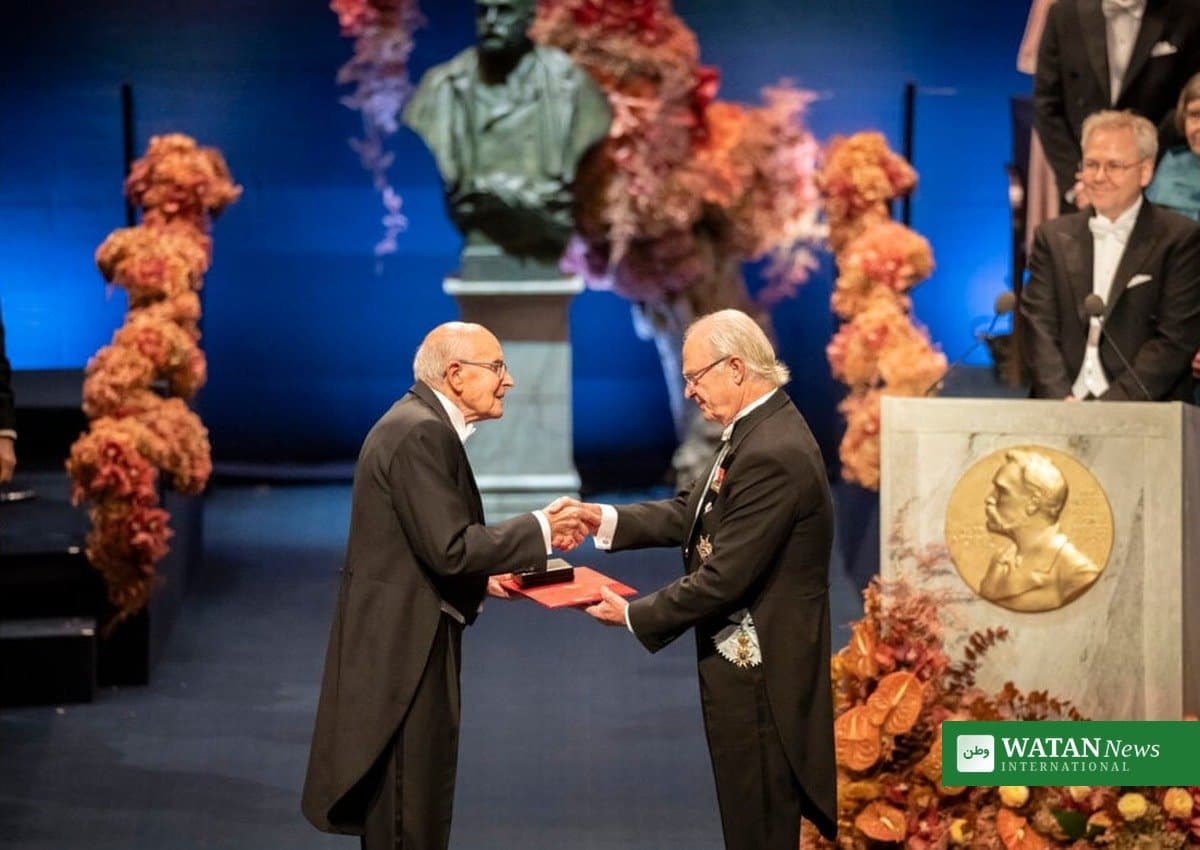
Last year, the medicine prize went to Americans Mary Brunkow and Fred Ramsdell and Japan’s Shimon Sakaguchi for research into how the immune system spares healthy cells. The laureates will receive their diploma, gold medal and prize money from King Carl XVI Gustaf at a ceremony in Stockholm on 10 December, the anniversary of Alfred Nobel’s death.

The 2026 Nobel Prize in Medicine traditionally opens the Nobel season — read more international coverage on Watan News as the announcements in physics, chemistry, literature, peace and economics follow through next week.

Related Stories

Planet & environment

Climate & Sustainability

News, stories and solutions driving change towards a greener and more sustainable planet for future generations.

New $500 Journalism Prize Honors Reporting Linking Population Change to Planetary Health
Featured story

New $500 Journalism Prize Honors Reporting Linking Population Change to Planetary Health

A new international planetary health journalism prize is calling on journalists to report one of the least-covered intersections in climate coverage: how demographic change shapes the health of the planet — and vice versa. The Demographics & Planetary Health Story Prize 2026, hosted by Johns Hopkins University institutions, will award $500 in each of two

Read full story

GREEN JOURNALISM

Every Action Counts

Small steps today, big impact tomorrow.

Explore more stories