
A 28-year-old laboratory technician at a plague research institute in Siberia has died in unexplained circumstances, prompting Russian health authorities to place dozens of her contacts under medical observation and drawing a concerned response from the United States, with President Donald Trump calling it “a big problem for Russia” and offering to help.
The death of the laboratory worker, named in local Russian media as Darya Shipilova, at the Irkutsk Anti-Plague Research Institute of Siberia and the Far East in the town of Shelekhov, has sparked public health fears on social media and an international diplomatic exchange, though the World Health Organization said on Monday that the public health risk to the general population appeared to be low.
FAKTA
- Who: Darya Shipilova, a 28-year-old laboratory technician at the Irkutsk Anti-Plague Research Institute in Shelekhov, Siberia.
- What happened: She was hospitalized on September 29 with severe symptoms, placed on a ventilator, and died two days later. Local media report she may have been exposed to the plague bacterium after breaking a test tube containing live bacteria.
- Response: Around 200 people who may have come into contact with her were placed under medical observation; the head of Russia’s health watchdog, Anna Popova, travelled to the Irkutsk region for an emergency anti-epidemic meeting.
- US reaction: President Trump offered American help, saying “We’ll help. Anybody that has that kind of a problem, we’re always willing to help.” Secretary of State Marco Rubio said Washington is “watching and monitoring it closely.”
- WHO assessment: Based on available information, “the public health risk to the general population appears to be low.”
Conflicting accounts of how the researcher fell ill
According to Russian media reports cited by international outlets, Shipilova told medical staff she had accidentally broken a test tube containing live plague bacteria while working at the Irkutsk Anti-Plague Institute on September 25, four days before she was hospitalized.
However, Russia’s health watchdog Rospotrebnadzor has played down any link between her death and her work at the institute, stating that “no micro-organisms associated with the employee’s professional duties were detected in samples taken from the patient” and describing the epidemiological situation in the region as stable. Authorities said she had died of pneumonia of as-yet unestablished origin.
The head of Rospotrebnadzor, Anna Popova, travelled to Irkutsk on Friday for what the local governor, Igor Kobzev, described as an extraordinary meeting of the regional anti-epidemic commission, convened in connection with a “suspected case of a particularly dangerous infection.”
200 contacts under medical observation
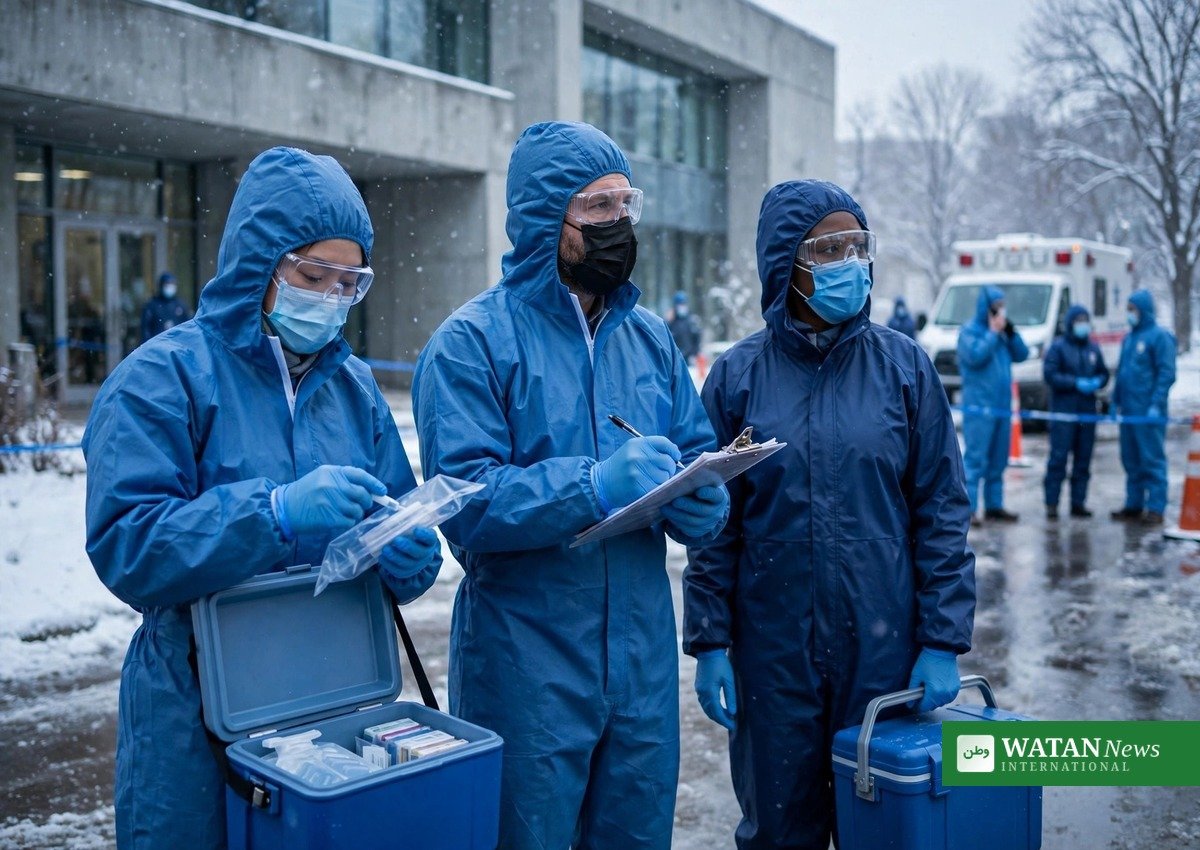
Reports indicate that up to 200 people who may have come into contact with the laboratory worker have been placed under medical observation as a precautionary measure. Some reports also describe quarantine measures in the region, though Russian authorities said on Monday that the situation was under control.
Trump: “We’ll help”
US President Donald Trump weighed in on the situation, telling reporters the death was “a big problem for Russia” and offering American assistance: “We’ll help. Anybody that has that kind of a problem, we’re always willing to help.”
Secretary of State Marco Rubio said on Monday that the administration was watching the situation closely. “I don’t think it’s cause for alarm, but it is cause for focus and a cause to just keep an eye on it,” Rubio said.
A Trump administration official told Axios on Sunday that US authorities were “aware, monitoring the outbreak, and assessing options” as Russian health officials worked to contain the situation, with several federal agencies including the Centers for Disease Control and Prevention following the developments. The State Department has urged Russia to share details about the incident.
WHO: risk to general population appears low
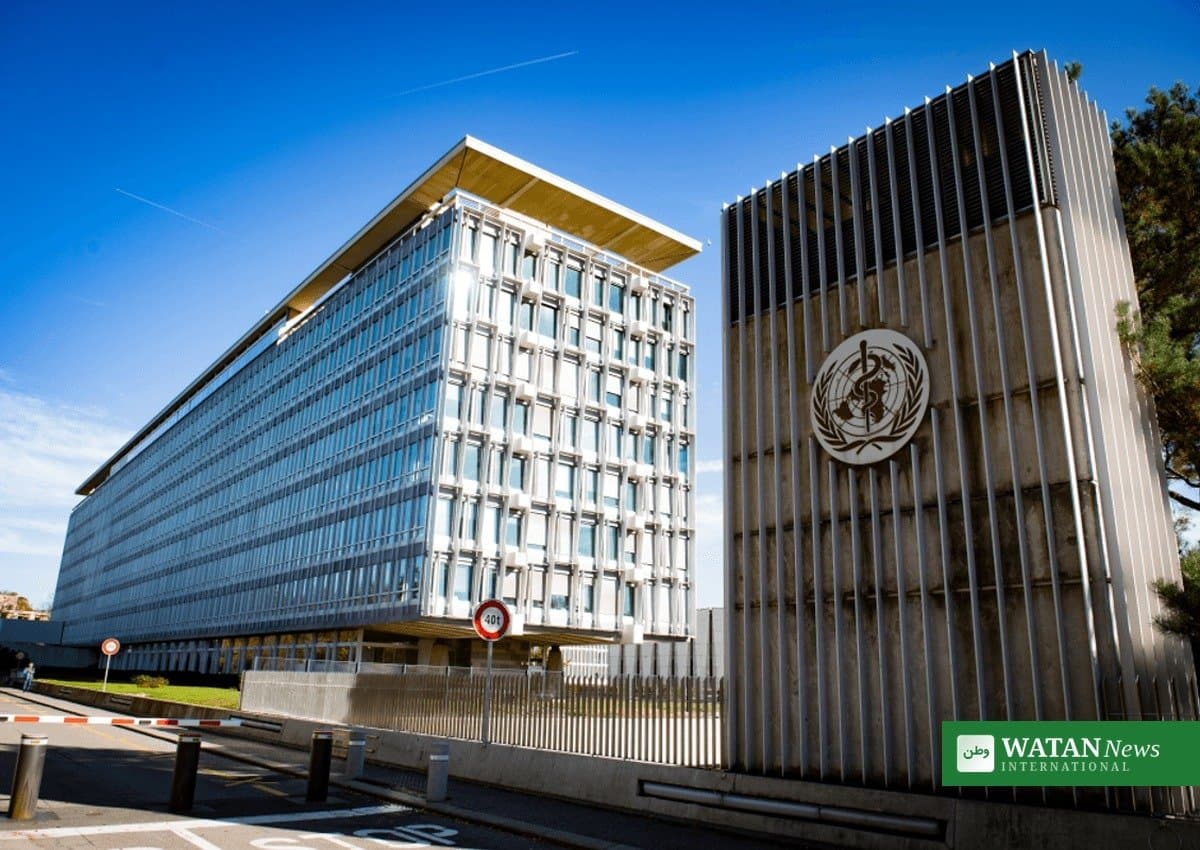
The World Health Organization said on Monday that, based on available information, “the public health risk to the general population appears to be low,” adding that new risk assessments would be conducted once further information became known.
Plague is endemic to Siberia — the bacterium that causes it, Yersinia pestis, is present among small wild mammals and their fleas — though it is rare for Russians to fall ill with the disease. Pneumonic plague, an infection of the lungs, causes the patient to cough out infectious airborne droplets. If identified quickly it can be treated with antibiotics, but if left untreated it can be fatal in one to six days.
For more international coverage of this developing story, see the latest world news on Watan News.